



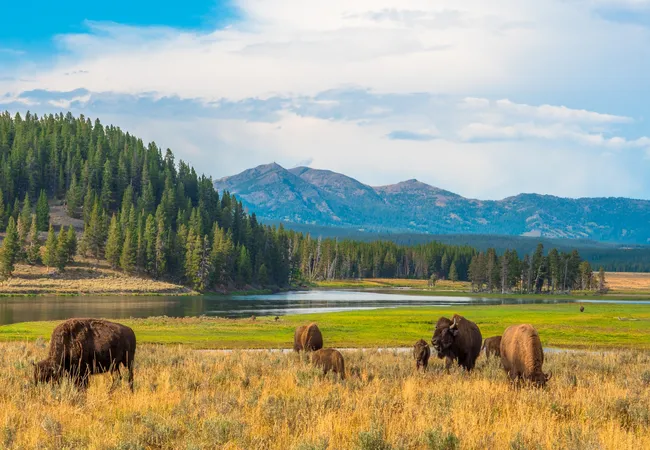
Which Animals Are Most Active in National Parks during Summer?

Table of Contents:
- Summer Wildlife at a Glance
- Summer Wildlife Calendar
- Why Summer Changes Animal Behavior in National Parks
- More Food = More Movement
- The Hidden Summer Story: Entire Ecosystems Wake Up
- The Heat Problem — Why Some Animals Seem to Disappear
- The Golden Rule: Dawn and Dusk Are Always Best
- Which Animals Are Most Active in National Parks in Summer?
- 1. Black Bears
- 2. Bison
- 3. Elk
- 4. Moose
- 5. Humpback Whales
- 6. Sea Turtles
- 7. Brazilian Free-Tailed Bats
- 8. Puffins and Shorebirds
- 9. Fireflies
- Best Summer Wildlife Events in National Parks
- 1. Alaska's Salmon Runs
- 2. Sea Turtle Hatchling Season
- 3. The Carlsbad Bat Flight
- 4. Synchronous Firefly Displays
- Other Animals You May See in National Parks During Summer
- 1. Bald Eagles
- 2. River Otters
- 3. Pronghorn
- 4. Marmots and Pikas
- Which Animals Are Harder to See in National Parks During Summer?
- Mountain Goats and Bighorn Sheep
- Desert Animals (Javelinas, Roadrunners, Lizards)
- Wolves and Mountain Lions
- How to Actually Spot Wildlife in National Parks — Tips for First-Timers
- Bring Binoculars—They Change Everything
- Stay Quiet and Move Slowly
- Learn the Edges: Where Forest Meets Meadow Is Where Animals Appear
- Let Your App or Rangers Help You Out
- Know Your Wildlife Viewing Distances
- Never Feed, Approach, or Corner Any Animal
- Common Wildlife Watching Mistakes First-Timers Make
- Sleeping Through Sunrise
- Looking Too Far Away
- Picking Big Open Areas
- Driving Too Fast
- Expecting Wildlife at Noon
- Frequently Asked Questions About National Park Wildlife in Summer
- What is the best time of day to see wildlife in national parks?
- Are bears more dangerous in summer?
- What national park has the most wildlife in summer?
- Can you see bison in Yellowstone in summer?
- Why do animals hide during the day in summer?
- Explore Wildlife with Shaka Guide
- Summer is one of the best seasons for wildlife viewing thanks to abundant food, nesting seasons, migrations, and breeding activity.
- Black bears, bison, elk, moose, humpback whales, sea turtles, Brazilian free-tailed bats, puffins, and fireflies are among the most active animals between June and August.
- Most wildlife is easiest to spot at dawn and dusk, especially during hot weather.
- Some animals become harder to find in summer, including mountain goats, bighorn sheep, wolves, and many desert species.
- Understanding seasonal animal behavior often matters more than choosing a specific park.
TABLE OF CONTENTS
- Summer Wildlife at a Glance
- Summer Wildlife Calendar
- Why Summer Changes Animal Behavior in National Parks
- Which Animals Are Most Active in National Parks in Summer?
- Best Summer Wildlife Events in National Parks
- Other Animals You May See in National Parks During Summer
- Which Animals Are Harder to See in National Parks During Summer?
- How to Actually Spot Wildlife in National Parks — Tips for First-Timers
- Common Wildlife Watching Mistakes First-Timers Make
- Frequently Asked Questions About National Park Wildlife in Summer
- Explore Wildlife with Shaka Guide
Last Updated: June 2026
If your dream national park moment involves spotting a black bear on a mountainside, watching a whale breach offshore, or getting caught in a classic Yellowstone bison traffic jam, summer is your season.
The most active must-see animals in national parks and other National Park Service sites during summer include black bears, bison, elk, moose, humpback whales, sea turtles, Brazilian free-tailed bats, puffins, shorebirds, and fireflies. Whew, that’s a big list you’ve got to check off!
Between June and August, these animals are feeding, nesting, migrating, raising young, or taking advantage of the year's most abundant food sources—making them easier to spot than at almost any other time of year.
Planning your summer park trip? See the best national parks for families.
Want fewer crowds while wildlife watching? See the least crowded national parks in summer
Summer Wildlife at a Glance
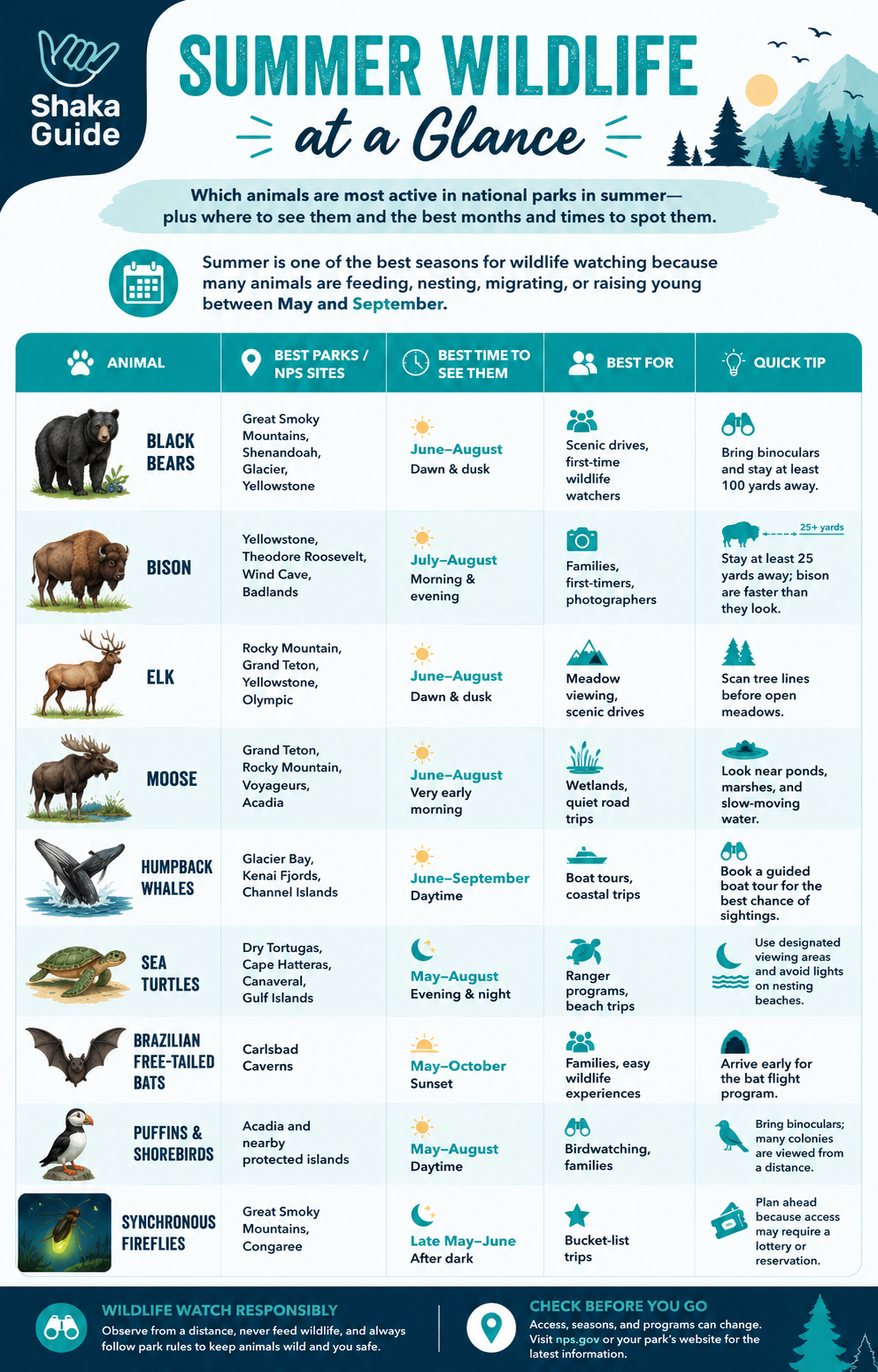
Whether you're hoping to see a bear, hear an elk bugle, or witness one of nature's most surprising spectacles, this quick-reference guide highlights some of the most active wildlife in national parks during summer.
Summer Wildlife Calendar
Wildlife activity changes throughout the season, and good timing can make the difference between a good sighting and an unforgettable one.
| Month | Wildlife Highlights |
|---|---|
| May | Firefly season begins, bears become more active, and humpback whales arrive in northern feeding grounds |
| June | Peak bear viewing, nesting sea turtles, puffin breeding season, elk feeding in alpine meadows |
| July | Bison rut begins, bat flights peak, whales feed heavily along northern coasts |
| August | Salmon runs begin in Alaska, sea turtle hatchlings emerge, and elk activity increases ahead of the fall rut |
Obviously, wildlife timings vary from year to year, and these timetables depend a lot on the weather. Don’t be afraid to stretch that viewing window when it makes sense!
Why Summer Changes Animal Behavior in National Parks
More Food = More Movement
Summer sounds the dinner bell across the national park system.
Bloom transitions into berries. Insects hatch by the millions. Salmon begin their upstream journeys. Meadows that sat buried beneath snow just weeks earlier suddenly burst with fresh grass and wildflowers.
Wildlife responds the same way most of us would to an all-you-can-eat buffet: by showing up, and showing up hungry.
That's one of the biggest reasons summer can feel so alive in national parks.
Bears sniffing out huckleberries by the woodline. Elk browsing on alpine meadows. Birds shuttle constantly between nests and feeding grounds. Humpback whales open wide to schools of fish.
…It’s a big, tasty world out there. And an opportunity animals wait all year for.
The Hidden Summer Story: Entire Ecosystems Wake Up
One of the most exciting aspects of summer wildlife viewing is that no animal exists in isolation.
Take a salmon run in Alaska. Millions of fish push upstream, and suddenly an entire ecosystem springs into action. Bears gather along riverbanks. Bald eagles perch in nearby trees. Otters weave through the current. Gulls circle overhead, hoping to steal an easy meal.
When visitors describe a park as feeling especially alive in summer, this is often what they're experiencing—an entire food chain, come to life before their eyes.
The Heat Problem — Why Some Animals Seem to Disappear
Here's probably the most common mistake almost every first-time wildlife watcher makes: assuming noon is prime animal-viewing time.
Unfortunately, the wildlife doesn’t agree.
When temperatures climb, wildlife often does exactly what most of us humans wish we could do—find some shade and wait it out.
That doesn't mean the park is empty.
It simply means the wildlife is smarter than we are.
You’ll find this to be especially true in places like Big Bend, Joshua Tree, and Saguaro, where summer temperatures can soar into the triple digits.
Visitors who head out at sunrise are all but guaranteed to see more wildlife than those exploring in the middle of the afternoon.
The Golden Rule: Dawn and Dusk Are Always Best
Ask ten rangers when to look for wildlife, and you'll probably get the same answer ten times.
Get up early.
Some of the most memorable wildlife moments happen while the parking lots are still quiet and the coffee is still hot. As the sun rises, animals move into open areas to feed before temperatures climb and crowds arrive.
The same thing happens again in the evening.
Most mammals are active between roughly 5–8 a.m. and 6–9 p.m., though exact times vary by location and season. Cooler temperatures, lower visitor traffic, and feeding behavior all work in your favor.
Which Animals Are Most Active in National Parks in Summer?
1. Black Bears
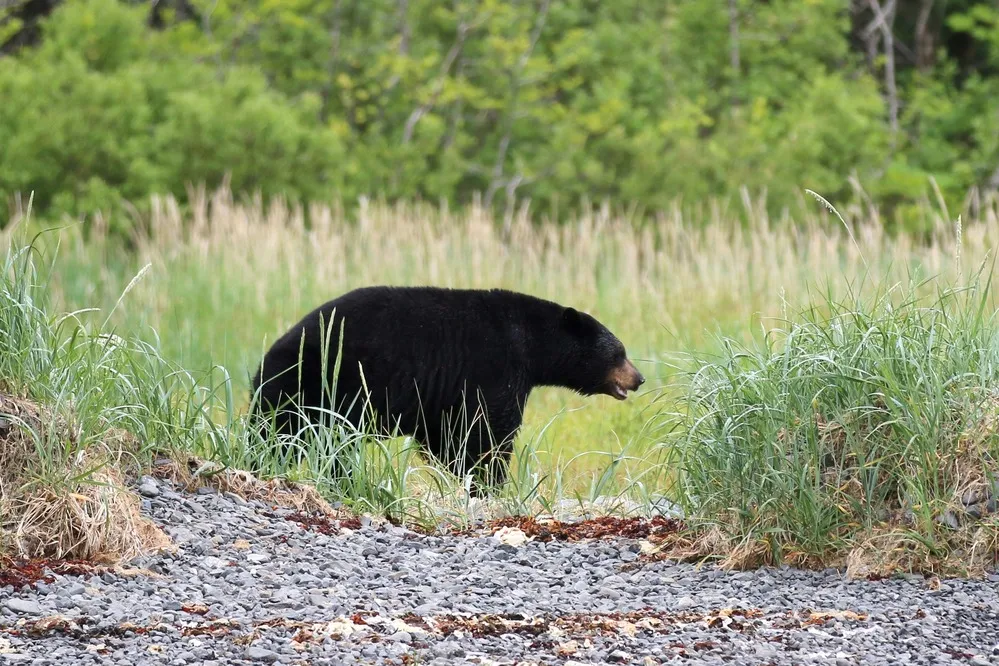 NPS
NPS
- Why Summer?
- If you've ever rounded a bend in the Smokies or Shenandoah and spotted a black shape moving through a berry patch, well, it’s probably thanks to that all-important sugar-dense goody–berries.
- As berries ripen and food becomes abundant, black bears spend much of their day foraging. They're trying to make the most of the season's bounty, moving between feeding areas and taking advantage of calorie-rich foods before fall arrives.
- For visitors, that means bears are often more visible than they are during other times of the year.
- Where to Spot Them
- Great Smoky Mountains, Shenandoah, Yellowstone, Glacier, and Great Basin.
- Best Time of Day
- Dawn and dusk.
- What Behavior to Expect
- Most summer bear sightings are surprisingly peaceful.
- You might see a bear crossing a meadow, or standing briefly on its hind legs to get a better look around. Most of the time, they're simply focused on finding their next meal.
- Beginner Tip
- A bear that's unaware of you is usually the best kind of sighting. Bring binoculars, enjoy the moment, and give the animal plenty of space.
2. Bison
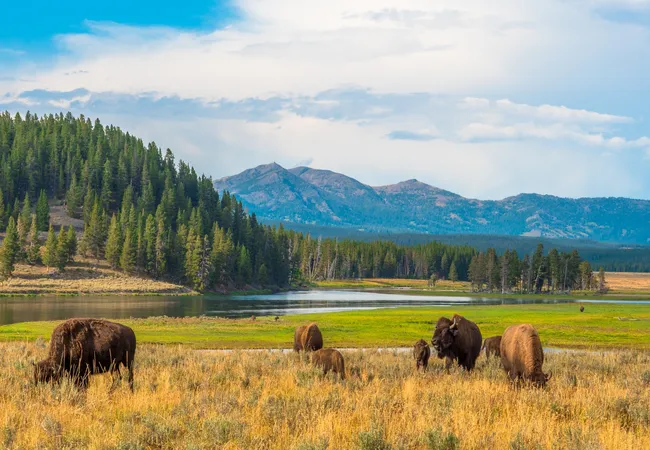
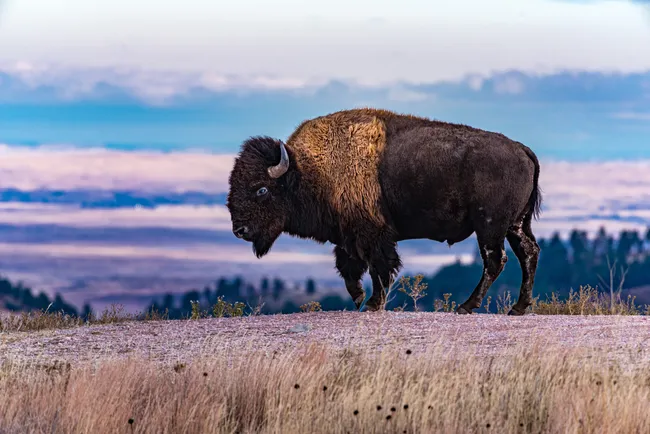 Shutterstock Image
- Why Summer?
- Summer marks the beginning of one of Yellowstone's most impressive wildlife seasons.
- By late July, rut season begins, and bison become more active as bulls compete for breeding opportunities. Herds shift across valleys and grasslands, and visitors often notice more movement throughout the day.
- Where to Spot Them
- Yellowstone, Grand Teton, Theodore Roosevelt, Badlands, and Wind Cave.
- Best Time of Day
- Morning and evening.
- What Behavior to Expect
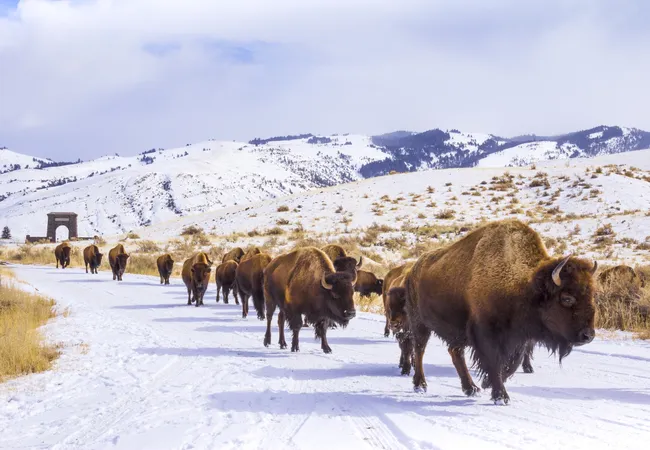
- Expect to see massive herds grazing across open valleys, calves sticking close to their mothers, and enormous bulls moving with surprising purpose.
- And yes—there's a good chance you'll end up in a classic bison traffic jam. The first time? It’s unforgettable. The tenth time…well, it's still unforgettable. But maybe a little inconvenient.
- Beginner Tip
- Bison may look slow and relaxed, but they're incredibly powerful and surprisingly fast. Give them space and resist the urge to get closer for a photo.
3. Elk
 Shaka Guide
- Why Summer?
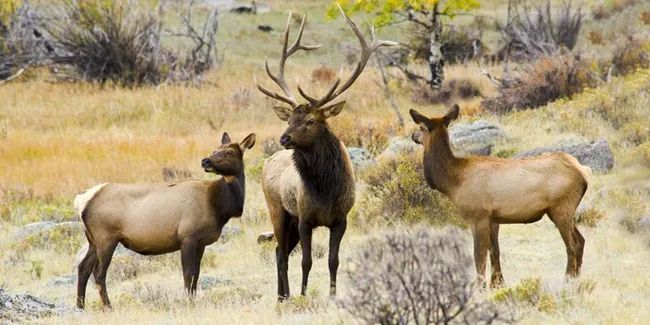
- By summer, many elk have traded valley floors for lush mountain meadows where fresh grass grows quickly after the snow disappears.
- The dramatic bugling and battles of the fall rut are still months away, but summer offers some of the easiest opportunities to observe these amazing creatures.
- Where to Spot Them
- Rocky Mountain, Yellowstone, Grand Teton, Grand Canyon South, and Olympic National Parks.
- Best Time of Day
- Dawn and dusk.
- What Behavior to Expect
- Large groups feed quietly in meadows, crossing open valleys, or resting near tree cover during warmer parts of the day.
- Also, an elk bugle is absolutely unmistakable. If you hear that metallic, wailing cry, there’s probably a lot of elk nearby.
- Beginner Tip
- If you aren't seeing elk, look for movement rather than antlers. A flicking ear or swishing tail often reveals animals hidden in plain sight. Always start at the tree line.
4. Moose
 Shutterstock Image
- Why Summer?
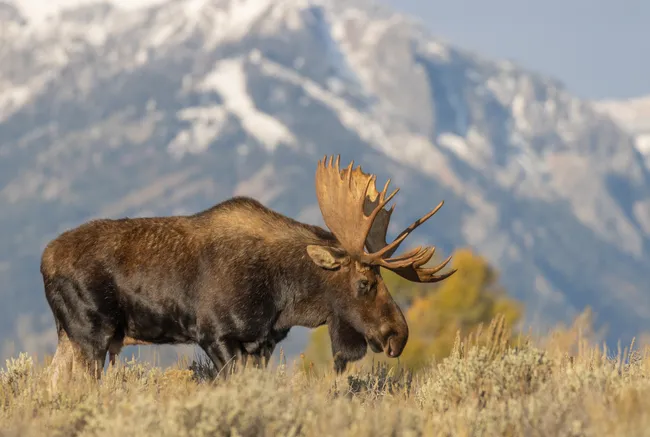
- Few wildlife sightings feel more "national park" than spotting a moose standing knee-deep in a pond on a misty summer morning.
- Summer turns wetlands into moose buffets. Aquatic plants are abundant, and these oversized browsers spend hours feeding in marshes, ponds, and slow-moving waterways.
- Where to Spot Them
- Grand Teton, the Rocky Mountains, Glacier, Voyageurs, and Acadia.
- Best Time of Day
- Very early morning.
- What Behavior to Expect
- Wading through water, browsing along shorelines, and feeding on aquatic vegetation.
- Beginner Tip
- Moose may appear calm, but they deserve just as much respect as bears or bison. Heck, maybe even more. Have you read about all the moose attacks?
- Watch quietly and give them plenty of room.
5. Humpback Whales
 Shutterstock Image
- Why Summer?
- After spending winter in warmer waters, humpback whales return north for one reason: food.
- Summer is feeding season, and the nutrient-rich waters of Alaska and the Pacific Coast become gathering places for some of the ocean's most impressive animals.
- Where to Spot Them
- Glacier Bay, Kenai Fjords, and Channel Islands National Parks.
- Best Time of Day
- Throughout the day.
- What Behavior to Expect
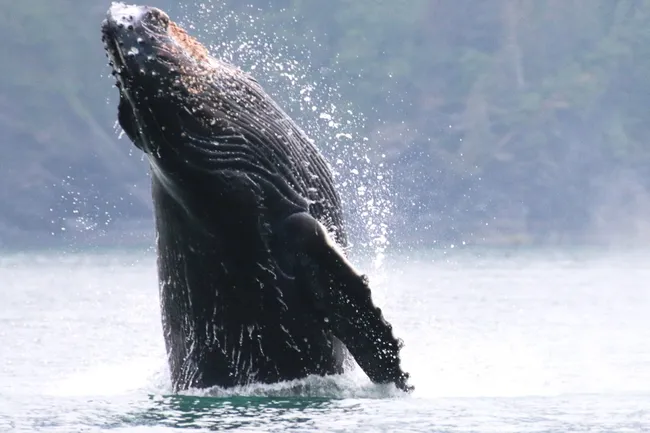
- Breaching, tail slapping, diving, and cooperative feeding behavior.
- Even experienced wildlife watchers never seem to get tired of seeing a whale launch itself from the ocean.
- One moment, the water is calm. Next, forty tons of whale is airborne.
- Beginner Tip
- Boat tours provide the best viewing opportunities and often include naturalist guides who help visitors spot wildlife they might otherwise miss.
6. Sea Turtles
 NPS
NPS
- Why Summer?
- Summer is nesting season along many protected coastlines.
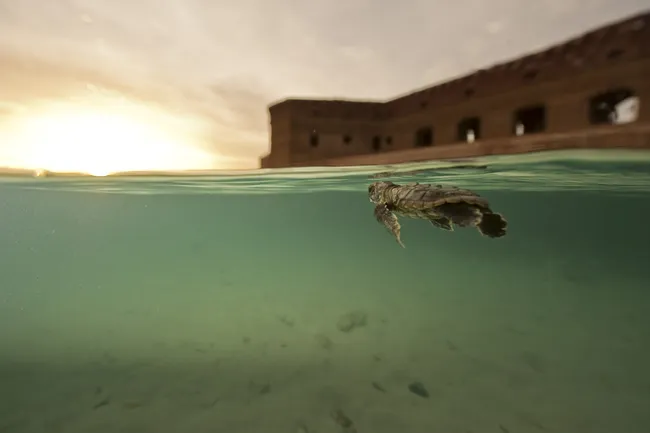
- Female sea turtles return to the same beaches where they were born, hauling themselves ashore under the cover of darkness to dig nests and lay eggs. It's one of the most remarkable wildlife migrations on Earth—and it happens every year with little fanfare.
- Where to Spot Them
- Dry Tortugas, Cape Hatteras National Seashore, Gulf Islands National Seashore, and Canaveral National Seashore.
- Best Time of Day
- Night.
- What Behavior to Expect
- Slow-moving nesting females carefully cover their nests before disappearing back into the ocean.
- Later in the season, lucky visitors may witness hatchlings emerging from the sand and beginning their journey to the sea.
- Beginner Tip
- Ranger-led turtle walks are often the easiest and most responsible way to experience nesting activity.
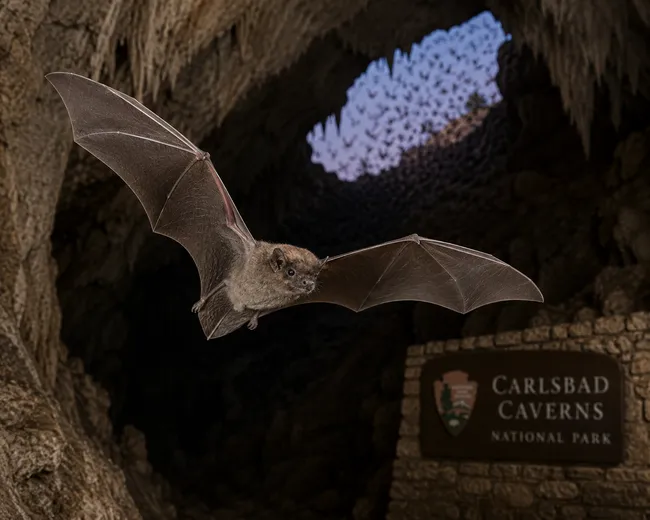
7. Brazilian Free-Tailed Bats
- Why Summer?
- Warm evenings create ideal feeding conditions—and one of the most underrated wildlife spectacles in the entire National Park System.
- Where to Spot Them
- Carlsbad Caverns National Park.
- Best Time of Day
- Sunset.
- What Behavior to Expect
- At first, only a few bats emerge.
- Then dozens.
- Then hundreds.
- Then thousands.
- Before long, the sky above Carlsbad Caverns seems to be moving as a swirling column of bats streams into the evening air.
- The first time I watched the bat flight program, I expected a neat little ranger presentation what I got felt more like witnessing a natural phenomenon.
- Beginner Tip
- Arrive early for the evening bat flight program. Seats fill quickly during peak summer months.
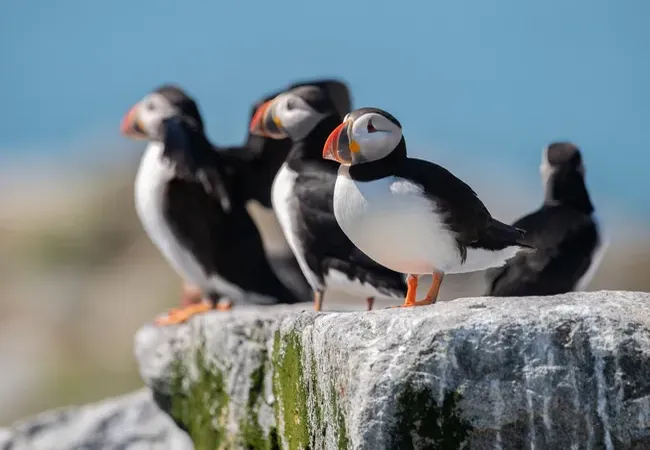
8. Puffins and Shorebirds
 Shutterstock Image
- Why Summer?
- Summer is nesting season along the northern Atlantic coast, and bird colonies become a whirlwind of activity.
- Adults spend their days diving for fish, feeding chicks, and commuting between the ocean and nesting sites.
- Where to Spot Them
- Acadia National Park and nearby protected islands.
- Best Time of Day
- Daylight hours.
- What Behavior to Expect
- Puffins carrying fish. Guillemots are diving offshore. Shorebirds racing across rocky coastlines.
- There's almost always something happening.
- Beginner Tip
- Bring binoculars. Coastal bird colonies often reveal something new every few minutes.
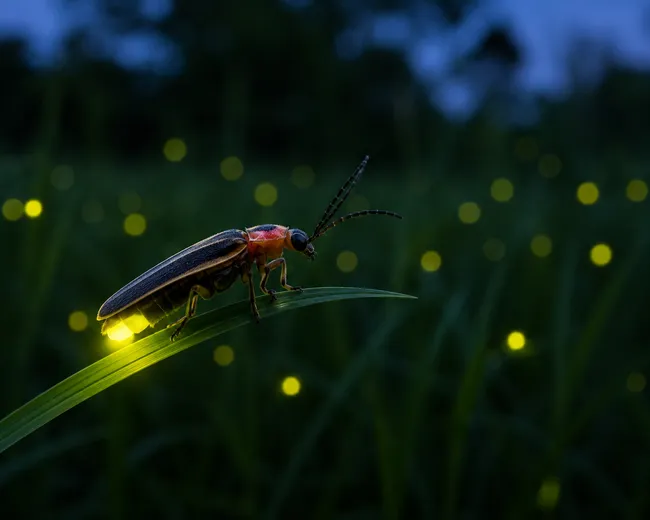
9. Fireflies
- Why Summer?
- For a few magical weeks each year, certain old-growth forests in the eastern United States put on a light show unlike anything else in nature.
- Synchronous fireflies don't flash randomly. They flash together.
- I’ve personally made the trip to see these amazing little insects many, many times. It’s always worth it.
- Where to Spot Them
- Great Smoky Mountains National Park and Congaree National Park.
- Best Time of Day
- After dark.
- What Behavior to Expect
- Imagine standing in a dark forest while the trees pulse with light around you.
- That's what makes this phenomenon so memorable.
- Beginner Tip
- Plan far ahead. Access to popular viewing areas often requires reservations or lottery systems.
Worth Planning Around: Unlike many wildlife experiences that last all summer, synchronous fireflies appear during a very short seasonal window. If they're on your bucket list, build your trip dates around the fireflies—not the other way around.
Best Summer Wildlife Events in National Parks
Most wildlife encounters happen unexpectedly.
These are some worth putting on your calendar.
1. Alaska's Salmon Runs
Every summer, rivers across Alaska seem to come alive.
Millions of salmon fight their way upstream, turning otherwise quiet waterways into gathering places for bears, bald eagles, otters, gulls, and countless other animals.
Some of the best places to witness salmon runs in the National Park System are:
- Katmai National Park
- Lake Clark National Park
- Kenai Fjords National Park, and
- Wrangell–St. Elias National Park
2. Sea Turtle Hatchling Season
Among the best places to witness sea turtle nesting and hatchling season are:
- Dry Tortugas National Park
- Cape Hatteras National Seashore
- Canaveral National Seashore
- Gulf Islands National Seashore
- Padre Island National Seashore
Ranger-led programs often provide the safest and most reliable viewing opportunities.
3. The Carlsbad Bat Flight
Every evening, thousands of bats stream from Carlsbad Caverns in one of the largest wildlife spectacles in North America.
It's dramatic, easy to experience, and surprisingly absent from many travelers' bucket lists.
4. Synchronous Firefly Displays
For a few brief weeks each year, forests in the Smokies and Congaree glow with synchronized flashes of light.
Other Animals You May See in National Parks During Summer
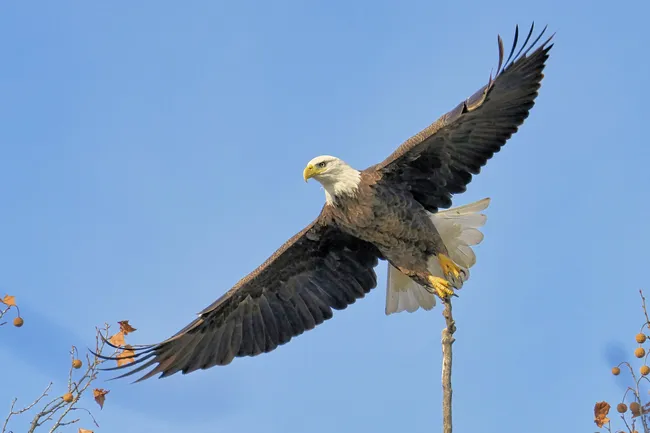
1. Bald Eagles
 NPS
NPS
Summer fishing activity makes bald eagles especially visible around lakes, rivers, and coastlines. And actually seeing one? Makes you feel downright patriotic. Yellowstone, Voyageurs, Glacier Bay, Olympic, Everglades, and Kenai Fjords all offer excellent bald eagle viewing.
2. River Otters
 NPS
NPS
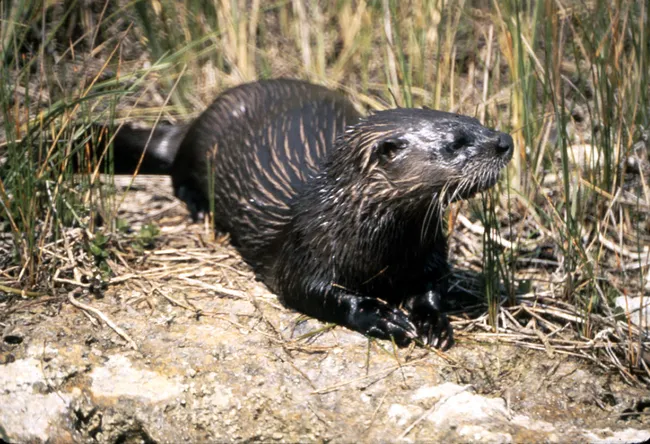
River otters have got to be among the cutest of animal sightings, no question asked. Voyageurs, Yellowstone, Acadia, Everglades, Grand Teton, and Kenai Fjords are all excellent places to watch river otters swim and play in summer.
3. Pronghorn
 NPS
NPS
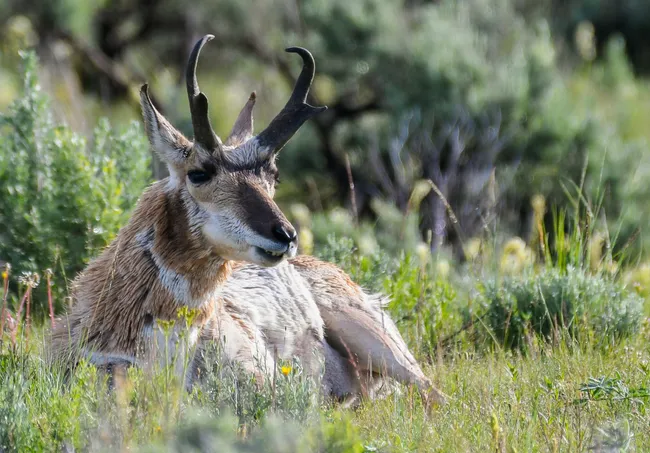
Pronghorn rarely get the attention they deserve.
They're the fastest land mammals in North America and among the easiest animals to spot in the wide-open landscapes of Yellowstone and Grand Teton.
4. Marmots and Pikas
 NPS
NPS
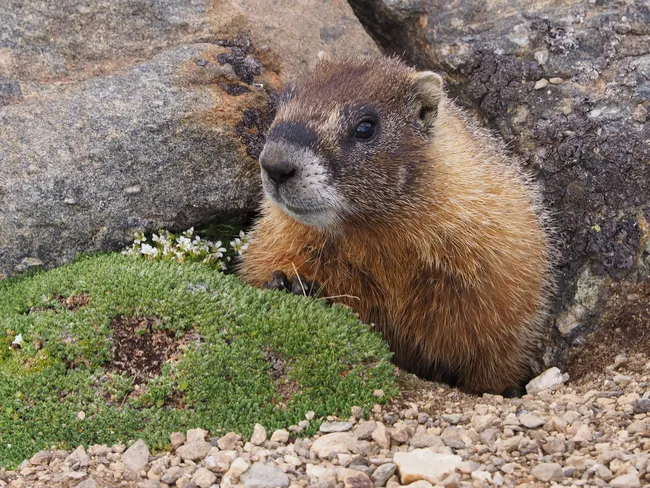
High-elevation parks have their own cast of summer characters.
Marmots sun themselves on rocks while pikas spend the season gathering vegetation and creating miniature haystacks for winter. You can find them in parks like the Rocky Mountain, Mount Rainier, the North Cascades, Yellowstone, and the Great Basin.
Which Animals Are Harder to See in National Parks During Summer?
One of the biggest wildlife-watching mistakes is assuming every animal becomes easier to spot in summer.
While bears, bison, whales, and many birds thrive during the warmer months, some species become harder to find because summer gives them more places to hide.
Knowing what not to expect can save you frustration—and make the sightings you do get even more rewarding.
Mountain Goats and Bighorn Sheep
 NPS
NPS
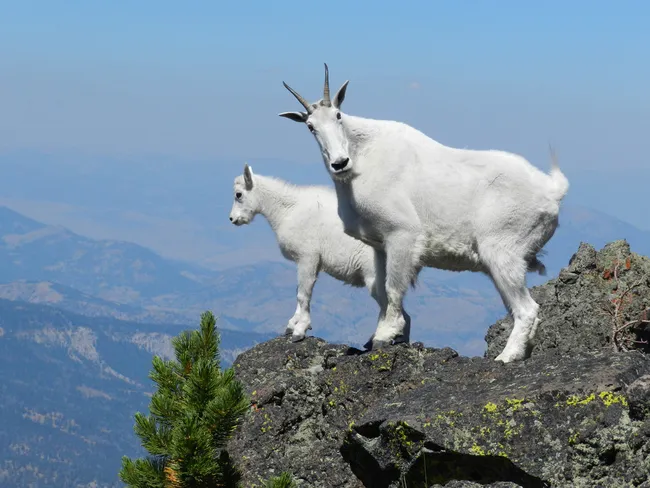
If you've ever visited a mountain park and wondered where all the sheep and goats went, they're probably somewhere above you.
As temperatures rise and snow retreats, mountain goats and bighorn sheep often move into higher alpine terrain where cooler temperatures and fresh vegetation are easier to find.
They're still present, but many become more difficult to spot from roads and overlooks. It doesn’t help that they tend to just kinda…stand around a lot.
Spring and fall often provide better viewing opportunities at lower elevations.
Desert Animals (Javelinas, Roadrunners, Lizards)
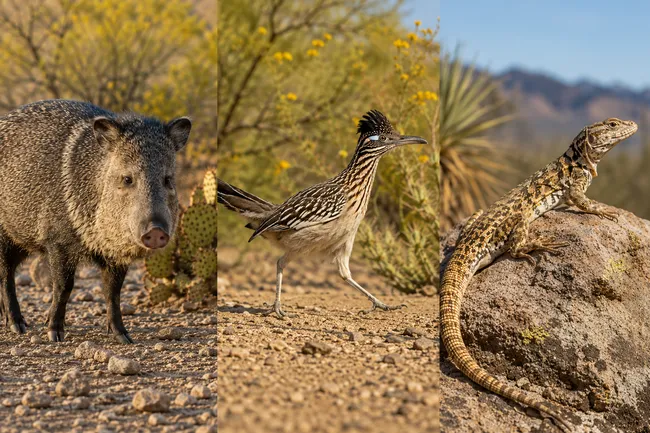
Summer in the desert can feel surprisingly quiet.
That's because many desert animals are doing exactly what you'd do if the temperature climbed well past 100 degrees: staying out of the sun.
In parks like Big Bend, Joshua Tree, and Saguaro, wildlife often becomes active only during the coolest parts of the day. Visitors who head out before breakfast often see far more wildlife than those exploring during the hottest hours of the afternoon.
Wolves and Mountain Lions
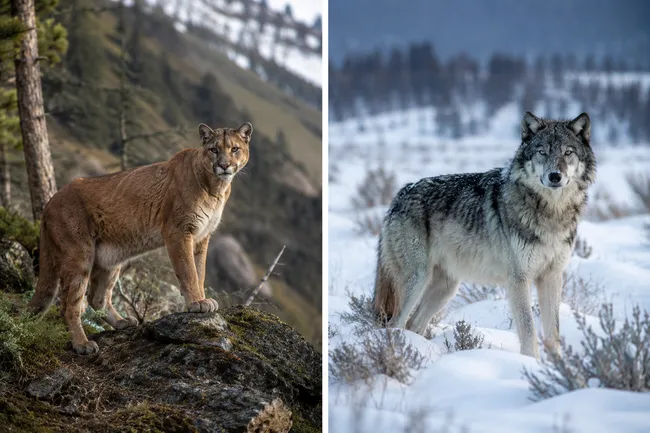
Let's set expectations honestly.
Even in places where wolves and mountain lions are present, seeing one is never guaranteed. In fact, I regret to say that I have yet to see a wolf in Yellowstone myself.
Summer can make these predators even harder to spot because grasses are taller, forests are denser, and prey animals are spread across larger areas.
But, if spotting a wolf is high on your bucket list, Yellowstone's Lamar Valley remains one of the best places in North America to try your luck.
How to Actually Spot Wildlife in National Parks — Tips for First-Timers
The truth is that wildlife watching isn't really about luck.
Well, okay, it’s a little about luck.
Most memorable wildlife encounters happen because someone was in the right habitat, at the right time, moving at the right pace.
Bring Binoculars—They Change Everything
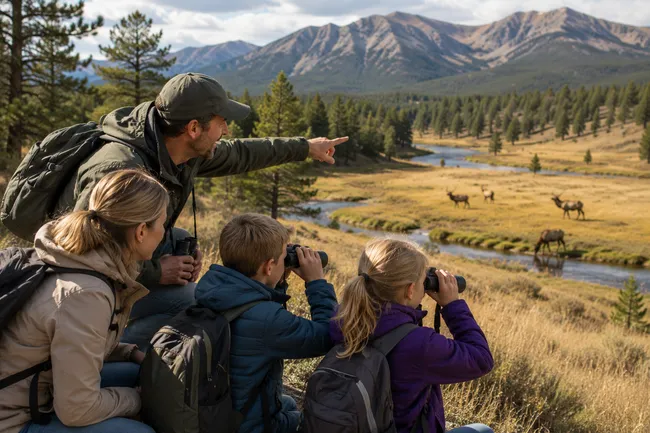
If you only follow one piece of advice in this article, make it this one.
A good pair of binoculars turns distant specks into unforgettable encounters.
That dark dot on a hillside suddenly becomes a bear. The shape standing in a distant meadow becomes a bull elk. The movement on a cliff transforms into a colony of nesting birds.
Another option is a camera with a great zoom lens. More expensive, more unwieldy, but man…think of the pictures!
Stay Quiet and Move Slowly
Wildlife often hears you long before you hear them. Or see them.
Fast movements, loud conversations, and car doors slamming shut can end a wildlife encounter before it begins.
Walk a little more quietly. Pause more often. Spend a few extra minutes scanning an area before moving on.
And for the love of all that is good and green in the world, don’t walk around blaring music. Thanks.
Learn the Edges: Where Forest Meets Meadow Is Where Animals Appear
Animals love habitat transitions.
Think forests bordering meadows. Wetlands meet grasslands. Rivers cutting through valleys.
These areas provide food, cover, water, and escape routes all in one place, making them some of the most productive wildlife-viewing areas in any park.
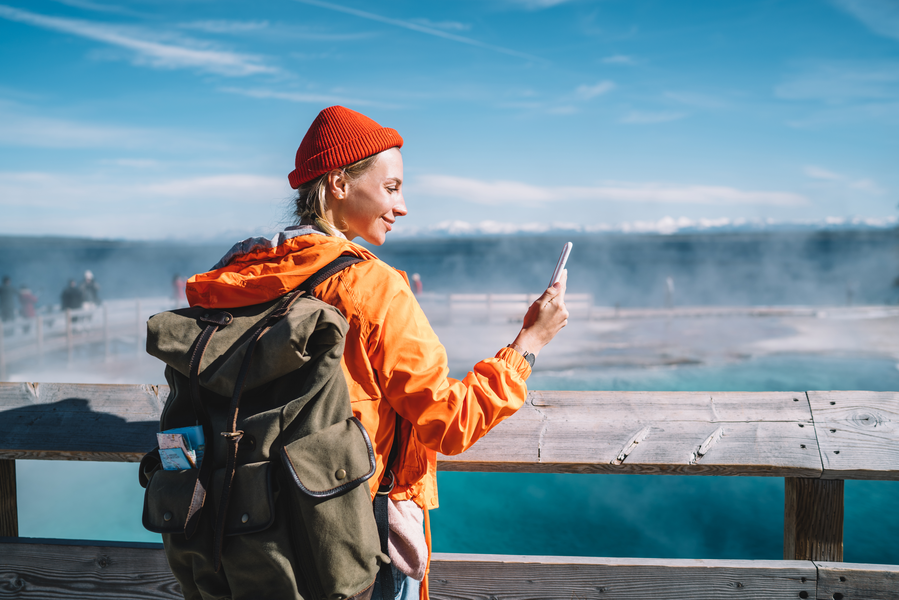
Let Your App or Rangers Help You Out
 Shutterstock Image
Many parks offer ranger-led wildlife walks, seasonal viewing programs, and wildlife updates that can dramatically improve your chances of spotting animals. Be sure to check out the program schedule when you get to your park’s visitor center.
Shaka Guide can help, too. Our GPS-guided tours highlight wildlife hotspots, scenic overlooks, sunrise and sunset timing, and the stories behind the landscapes you're exploring. Hey, what can we say? We do our research.
Know Your Wildlife Viewing Distances
Getting closer doesn't create a better wildlife experience. It just makes it dangerous.
National parks work hard to keep wildlife wild, and maintaining proper distance protects both animals and visitors.
| Animal | Recommended Minimum Distance |
|---|---|
| Bears | 100 yards |
| Wolves | 100 yards |
| Bison | 25 yards |
| Elk | 25 yards |
| Moose | 25 yards |
| Sea Turtles | Observe from designated viewing areas |
A good rule of thumb: if an animal changes its behavior because of your presence, you've already gotten too close.
Never Feed, Approach, or Corner Any Animal
Wild animals are not pets.
Feeding wildlife can alter natural behaviors, create dangerous situations, and ultimately harm the very animals people came to admire.
Observe. Photograph. Enjoy.
Then let them go about their day.
Common Wildlife Watching Mistakes First-Timers Make
 Shutterstock Image
Sleeping Through Sunrise
The wildlife didn't get the memo that you're on vacation.
Bears, elk, and bison are often most active around sunrise, making early mornings one of the best times to spot wildlife.
Looking Too Far Away
Some visitors spend so much time scanning distant mountains that they miss what's happening right in front of them.
Some of the best wildlife sightings happen surprisingly close to roads, boardwalks, and trailheads.
Picking Big Open Areas
When you have a great view, so do all the prey and the predators that eat them. Most animals hug the edges and only venture into wide-open spaces for short periods.
Driving Too Fast
Wildlife can appear around the next bend with little warning. Slowing down improves your chances of spotting animals and helps keep you and them safe.
Expecting Wildlife at Noon
Midday is often the slowest wildlife-viewing period of the day. Too busy, too noisy, too hot.
Frequently Asked Questions About National Park Wildlife in Summer
What is the best time of day to see wildlife in national parks?
I’ll shout it from the rooftops if I must!
Early morning and late evening are usually the best times to see wildlife. Trust me!
Fewer crowds, cooler temperatures, and increased feeding activity all improve your chances of a memorable sighting.
Are bears more dangerous in summer?
No, bears are often more visible during summer because they're actively feeding, but most encounters remain peaceful when visitors maintain a safe distance and properly store food.
What national park has the most wildlife in summer?
Yellowstone is widely considered the best national park for wildlife viewing during the summer. I can’t say that I disagree.
The park is home to bison, elk, bears, wolves, foxes, pronghorn, moose, and hundreds of bird species. But don’t forget to hit the rivers and lakes, too, to see all kinds of raptor birds.
Can you see bison in Yellowstone in summer?
Absolutely. So many, in fact.
Actually, I’d go so far as to say it’s pretty much impossible not to.
Summer is one of the easiest times to see bison in Yellowstone, especially in Hayden Valley and Lamar Valley. Large herds frequently graze near roads and pullouts, making sightings common even for first-time visitors.
I think it took me less than an hour before I had my first sighting.
Why do animals hide during the day in summer?
Same reason we do. Trying to stay cool.
As temperatures rise, wildlife often retreats to shade, thicker vegetation, higher elevations, or burrows until things cool off.
Explore Wildlife with Shaka Guide
In my experience, some of the best national park memories happen when you least expect them—a bear grazing in a meadow at sunrise, a crowd of elk coming out from the trees, or a bald eagle diving to snag a fish right by your canoe.
From Yellowstone's wildlife-filled valleys to Acadia’s rugged coastline, Shaka Guide helps travelers discover the stories, landscapes, and animals that make America's national parks unforgettable.
Our GPS-guided audio tours point out wildlife hotspots, scenic viewpoints, traveler insights, and local history along the way, so you can spend less time staring at a map and more time keeping your eyes on the wild things that brought you there in the first place.

Rachel is a storyteller, nature nerd, and park enthusiast who believes every trail has a tale. When she first visited Yellowstone, she was captivated by the steaming geysers, thundering waterfalls, and wild, wide-open spaces.
Now, she’s on a mission to share the stories that live in the land—and the places that make us feel small in the best way.
Ready to explore America’s national parks?
Take Shaka Guide’s Ultimate National Park Tour Collection — 48 tours, turn-by-turn audio, and the freedom to explore at your own pace.
Exploring a specific park?
Browse all of our National Park Tours — we cover over 54 parks and counting.
Still planning your trip?
Check out our National Parks guides for itineraries, know-before-you-go tips, and more.
Have questions?
We’re happy to help — email us at aloha@shakaguide.com.
Like this article? Share it on Pinterest!
Written By:







 to fuel your ride
