



When's the Best Time to Visit Zion National Park?

Key Takeaways:
- Spring and Fall offer the best balance of comfortable hiking temperatures, fewer crowds, and more predictable trail access.
- Summer brings extreme heat, heavy crowds, and flash flood risks, making early mornings and shaded hikes essential.
- Winter is the least crowded season and allows private vehicles in Zion Canyon, but snow can close higher-elevation roads.
- Plan around shuttle requirements from spring through fall, as private vehicles are prohibited in Zion Canyon during peak seasons.
- Avoid major holidays if possible, as visitor numbers triple, shuttle lines grow long, and lodging prices increase significantly.
Table of Contents:
- Weather in Zion National Park
- Temperatures and Seasonal Preparedness
- Visiting Zion National Park in Winter
- Visiting Zion National Park in the Spring
- Visiting Zion National Park in the Summer
- Visiting Zion National Park in the Fall
- Why Fall Is the Best Time to Visit Zion
- Visiting Zion Around Holidays
- Seasonal Events in Zion National Park

Weather in Zion National Park
When you're planning a trip to Zion National Park, weather might not be the first thing on your mind—until it changes your plans.
While Zion is known for its
- dramatic cliffs
- towering canyons
- endless blue skies
...the weather here can shift quickly and dramatically, especially if you're not expecting it.
The good news? Zion enjoys around 300 sunny days a year.
The not-so-good news?
Those other 65 or so days can bring rain, flash floods, snow, or even sudden temperature swings—all of which can affect trails, roads, and your safety.
Rain is rare, but when it comes, it can mean business.
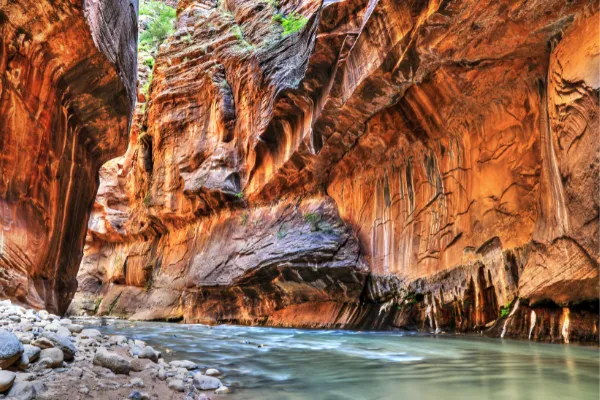
Even light storms can trigger flash floods in the narrow slot canyons, making popular hikes like The Narrows or The Subway dangerous or completely off-limits.
And in winter, snow can close parts of Kolob Terrace Road and Kolob Canyons, turning scenic drives into seasonal dead ends.
That’s why flexibility is key when visiting Zion. Have backup plans ready, check park alerts regularly, and don’t ignore weather warnings.
Nature’s beauty is awe-inspiring—but it’s also in charge.
With a little preparation (and a good sense of humor), you’ll be ready for whatever Zion’s skies have in store.
Temperatures and Seasonal Preparedness
 Shutterstock Image
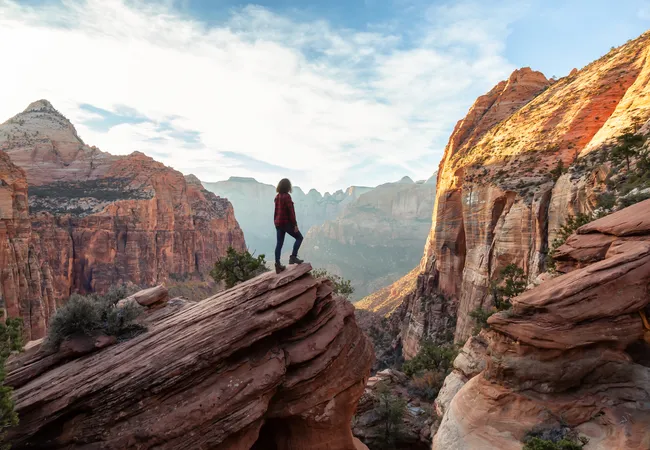
Zion’s weather doesn’t play by just one rule. It’s a land of extremes—from scorching desert heat to surprise snow flurries, this place has it all.
Whether you're ready for it or not.
If you’re visiting in summer, prepare for oven-like temps, often soaring into the triple digits. Shade is rare, and the sun is relentless—so hydrate like it’s your full-time job.
In winter, snow blankets the higher elevations, and mornings can be downright frosty. Bundle up, or prepare to shiver.
Zion’s weather can change fast. Day and night temperatures often differ by more than 30°F (17°C).
Elevation matters, too. The canyon floor can hit triple-digit heat in summer, while higher plateaus stay 20°F (11°C) cooler or more.
The takeaway? Pack smart. Bring more water than you think you need, and dress for both the highs and the lows—especially if you'll be out after sunset, or before sunrise.

Visiting Zion National Park in Winter
 by Michael Just from Getty Images
Winter might be the least popular season to visit Zion, but for those craving peace, solitude, and a different kind of magic, it’s hard to beat.
The park’s stunning scenery doesn’t take a holiday—snow-dusted canyons and frosted evergreens create a whole new kind of breathtaking.
Imagine waking up to a quiet, snow-blanketed landscape or taking a peaceful drive up to the higher elevations where the crisp winter air sharpens the views. Look for:
- mule deer grazing the lower valleys
- bighorn sheep scaling rocky cliffs
- Raptors like golden eagles soar overhead
Coyotes, wild turkeys, and busy little rock squirrels may also pop their heads out from behind snowy pine forests, particularly in the lower elevations of Kolob Terrace.
If you’re up for a little hiking, winter is perfect for shorter trails like the Emerald Pools Trail and Riverside Walk, both offering gentle terrain and beautiful winter views.
The Pa’rus Trail is another great option, especially for spotting rare winter wildlife. While these trails are normally quite busy, in winter, you'll likely have them to yourself!
For a bit more challenge, consider hiking Canyon Overlook Trail or the Watchman Trail, which reward you with sweeping vistas framed by frosty cliffs.
Photography buffs will love the soft winter light and dramatic contrasts.
Before you head out, pack some winter gear. At the very least, bring sturdy snow boots and a warm jacket.
From mid-December on, daytime temps hover in the mid-50s—but nights can dip into the low 20s.
Brrr. Definitely chilly.
Practical Considerations for Winter Visitors
If you’re visiting Zion in winter, be prepared for some seasonal closures.
While Zion Canyon stays open year-round, higher elevations like Kolob Terrace and Kolob Canyons may close due to snow.
Some hikes can become icy and unsafe in winter. Angel’s Landing, for example, is often too dangerous to attempt.
Winter also brings the most precipitation, so pack accordingly for rain and snow if you plan to hit the trails.
But winter has its perks. It’s the only season when you can drive your own vehicle through Zion Canyon—no shuttle buses except for Christmas week—letting you explore at your own pace.
Plus, winter is the park’s least crowded and cheapest season, making it a great time to visit if you’re looking for some peace and savings.
So bundle up, plan ahead, and enjoy a quieter, cozier Zion experience.
Visiting Zion National Park in the Spring
 by CarlosChavezPhotography by Getty Images
As winter snows melt away, Zion wakes up with warm days, cool evenings, and a burst of life returning to the canyon.
Daytime temperatures climb from the low 60s in early spring to the high 80s by May, while nights stay a bit crisp, dipping into the 40s or 50s.
Spring can feel a bit too chilly for wading through The Narrows. Still, it’s a great season for longer hikes and extended backpacking trips under cool blue skies.
Spring does bring its challenges, though.
Late winter and early spring are Zion’s wettest months, and snowmelt can swell rivers and close some areas—The Narrows being a prime example.
But these rains bring the park’s ephemeral waterfalls to life and paint the landscape with wildflowers.
Wildflowers splash the canyon with reds and golds. Keep an eye out for:
- Desert marigolds
- Slickrock paintbrush
- Claret cup cactus
- Utah honeysuckle
- Indian paintbrush
- Desert globemallow
It’s one of the reasons spring is such a spectacular season for nature lovers.
Wildlife also becomes more active during this time. Keep an eye out for:
- mule deer
- bighorn sheep
- peregrine falcons nesting in the cliffs
Because of snowmelt, water levels in rivers and streams run higher and faster, which can affect trail crossings—exercise caution.
Some higher-elevation trails, like those in Kolob Canyons or along the Zion-Mount Carmel Highway, may still have lingering snow or mud early in the season.
Crowds remain relatively light in March and April, offering a peaceful experience.
But late April and May mark the start of peak season, with spring break and Memorial Day visitors arriving.
Be sure to book accommodations and shuttle reservations early.
If popular trails like Angel’s Landing or The Narrows are booked, closed, or packed, try some quieter alternatives. Watchman Trail, Pa’rus Trail, and the less-visited Kolob Canyons area are all solid picks.
Taylor Creek, Emerald Pools, and East Rim are great options too—especially if you love spotting wildflowers along the way.
Finally, spring also brings back the start of ranger-led hikes and educational programs—check Zion’s official calendar to see what’s happening during your visit.

Visiting Zion National Park in the Summer
 by Victor Lee from Getty Images
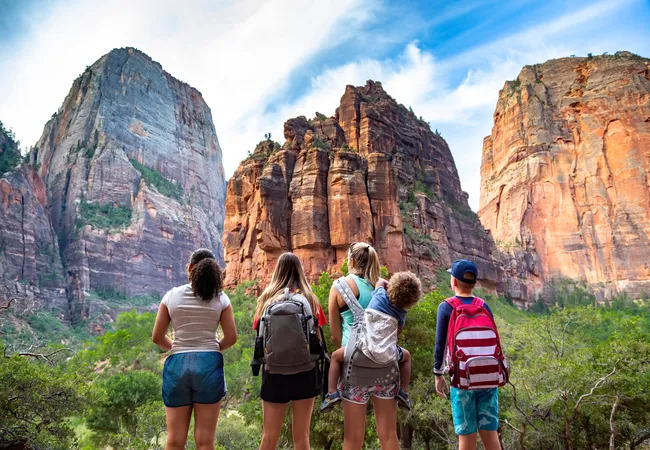
Summer in Zion is—quite literally—the hottest ticket in town. Temperatures regularly climb into the triple digits, and with school out, families flock to the park.
As a result, popular trails can feel more like busy thoroughfares, especially in June and July.
Wildlife-wise, summer is when Zion’s critters really strut their stuff. Keep your eyes peeled for:
- rock squirrels doing their high-speed acrobatics
- hummingbirds zipping like tiny helicopters
- bighorn sheep showing off their cliff-climbing skills
Mountain lions? Yeah, they’re around—but they’re masters of hide-and-seek, so good luck spotting one.
And hey, when the sun goes down, the fun’s just getting started.
Evening ranger talks and jaw-dropping stargazing sessions are perfect ways to cool off and soak in the desert magic—without melting into a puddle.
If you’re hoping to avoid crowds or paying premium prices, summer in Zion might not be your best bet.
Expect to practice patience on the most popular trails, as this season is the park’s busiest—and also its most expensive. Nearby lodging hits peak prices, too.
On the bright side, summer is a fantastic time to:
- explore shaded slot canyons
- raft the Virgin River
- venture up to Zion’s cooler, higher-elevation spots for a change of scenery
Some ideal hikes in summer are:
- the Riverside Walk,
- The Narrows,
- Emerald Pools, or Pa'rus
...basically, any short, easy trail that provides some shade or some water.
And, even though it's challenging, the reliable weather means it's also a great time to hike Angel's Landing, assuming you can get a permit.
If you prefer your hikes a bit less crowded and your temperatures a touch cooler, late August is your sweet spot.
Towards the end of the month, temperatures and crowds start to ease off.
Navigating the Summer Monsoon Season in Zion
 Shutterstock Image
Be aware that summer in Zion is also monsoon season, typically running from mid-July through September.
During this time, the park can experience sudden, intense thunderstorms that drop heavy rain in a short period.
Average monthly rainfall during the monsoon season can reach 1 to 2 inches, which may not sound like much—but in Zion’s steep, narrow canyons, even a little rain can trigger dangerous flash floods.
Flash floods are the leading cause of weather-related injuries and deaths in Zion, so it’s crucial to check the forecast regularly and heed any flash flood watches or warnings.
Trails like The Narrows and Orderville Canyon are especially vulnerable and can be closed quickly when conditions turn unsafe.
Staying informed and prepared will keep your summer adventure safe and enjoyable.
Cooler Sections of Zion in Summer
My personal recommendation for beating the heat? Skip the crowded main canyon for a bit and explore some of Zion’s best-kept secrets:
- the Kolob Canyons and
- Kolob Terrace areas
These lesser-known corners of the park offer stunning scenery and a welcome break from the heat and crowds.
Up on Kolob Terrace, temperatures can be as much as 10 degrees cooler than the lower canyon floor—perfect for those blazing summer days when triple digits make hiking feel more like a walk inside an oven.
Plus, the higher elevation means pine forests, sweeping views, and peaceful trails where you’re more likely to spot wildlife than fellow hikers.
Kolob Canyons boasts some of the park's most dramatic red rock formations. And yet, the hiking paths feel worlds away from the bustling main park.
It’s a fantastic spot for anyone looking to connect with Zion’s rugged beauty without all the hubbub of the main canyon.
Visiting Zion National Park in the Fall
 by Tigerone from Getty Images
Ahh, fall in Zion National Park—arguably one of the best times to visit. The summer heat begins to fade, the crowds thin out (eventually), and the park transforms into a canvas of warm desert hues and vibrant fall color.
Early September can still feel like summer in disguise. Daytime temperatures often climb into the 90s, and crowds—especially around Labor Day weekend—can be heavy as families squeeze in one last vacation.
By evening, temperatures finally ease up, cooling into the low 60s.
By late September and into October, crowds begin to taper off, and the weather becomes ideal for hiking, with daytime highs in the 70s to 80s.
By November, you’ll likely have some trails to yourself. Highs hover in the mid-60s, while nighttime temps dip into the upper 30s by late fall—so be sure to pack long pants and a jacket!
As the temperatures dip and fall settles in, Zion becomes a hotspot for wildlife activity.
Mule deer enter their rutting season in late October and November, and bucks can often be seen—and heard—locking antlers in grassy meadows or near the Zion Lodge area.
Early mornings and evenings offer the best chance to spot them grazing along the Virgin River.
Wild turkeys also become more visible in the fall, foraging in small flocks near the Visitor Center, along the Pa’rus Trail, or under the cottonwoods near South Campground.
Fall Foliage in Zion
Much of Zion is desert or evergreen forest. Still, pockets of deciduous trees—like:
- cottonwoods
- box elders, and
- maples
...put on a spectacular show of reds, yellows, and purples each fall.
Zion’s deciduous trees tend to cluster either at higher elevations or along the riverbanks.
Fall’s cooler temperatures make it the perfect season to explore some of Zion’s longer trails and enjoy the vibrant colors without the summer heat.
For moderately challenging hikes with great leaf-peeping, try:
- The West Rim
- East Rim
- Taylor Creek trails
If you’re looking for something easier, the Riverside Walk features stunning bands of vibrant cottonwoods along the Virgin River.
For breathtaking panoramic views of the fall tapestry, the Canyon Overlook Trail is a must.
Not feeling like hiking? Take a scenic drive through Kolob Canyons and Kolob Terrace Road.
These quieter, higher-elevation areas offer colorful maples and aspens—but be sure to check for early snow or ice closures before you go.
When to Visit for Peak Fall Color
To catch the best fall colors, plan your trip between mid to late September for higher elevations like Kolob Terrace and East Rim, and mid-October for Zion Canyon and the Virgin River corridor. By early November, most leaves have fallen from the canyon, though golden cottonwoods often linger near the riverbanks.
Why Fall Is the Best Time to Visit Zion
Now, this is all a matter of opinion, right? But to me, Fall is absolutely the best time to visit Zion, followed closely by Spring. These shoulder seasons give you fewer crowds and more pleasant weather, allowing you to explore the park without too much stress, or overplanning, or blowing out your budget.
Visiting Zion Around Holidays
 NPS Gallery
On a typical day, Zion sees around 6,000 to 7,000 visitors.
During holiday weekends like Labor Day or the Fourth of July, that number can easily triple—and the crowds can start to feel overwhelming.
Shuttle lines lengthen dramatically—sometimes stretching over an hour—while parking lots fill up by mid-morning, leaving many to park far away or wait for rides.
Lodging and camping prices spike by 30% to 50%, adding extra strain to your trip budget.
Popular trails become congested, which not only tests your patience but can also increase safety risks.
And snagging an Angel's Landing permit on a holiday weekend. Fuhgettaboutit.
All that crowding and chaos can chip away at the peaceful, wild experience most visitors come for.
So if you’re hoping for solitude and smooth sailing, it’s worth skipping the holiday rush and planning for another time.
Seasonal Events in Zion National Park
 NPS Gallery
Ranger-led programs in Zion typically kick off around the second week of May and run through to the second week of October.
These include guided hikes, talks, and evening campfire programs designed to deepen your understanding of the park.
Youth-focused activities, like drop-in nature programs and family-friendly events, usually wrap up by the second week of September.
By then, most kids are heading back to school.
Even after many youth programs end, the park’s Nature Center and Human History Museum remain open through November, offering plenty to explore for visitors of all ages.
If you’re traveling without kids and want to make the most of Zion’s offerings with fewer crowds and great weather, plan your visit during the last few weeks of September or the first week of October.
This sweet spot gives you access to adult-focused ranger activities while enjoying a quieter time in Zion.
Like this article? Share it on Pinterest!

Written By:
Ready to explore Zion?
Take Shaka Guide’s Zion National Park Audio Tour for turn-by-turn directions, local stories, and the freedom to explore at your own pace.
Visiting more parks in the region?
Don’t miss our Utah Mighty 5 Tour Bundle — it includes tours for Arches, Canyonlands, Bryce Canyon, and many more!
Still planning?
Check out our Zion National Park Itinerary and Know Before You Go guide to prep for your trip.
Have questions?
We’re happy to help — email us at aloha@shakaguide.com.









 to fuel your ride
