



Know Before You Go, Great Sand Dunes National Park
Table of Contents:
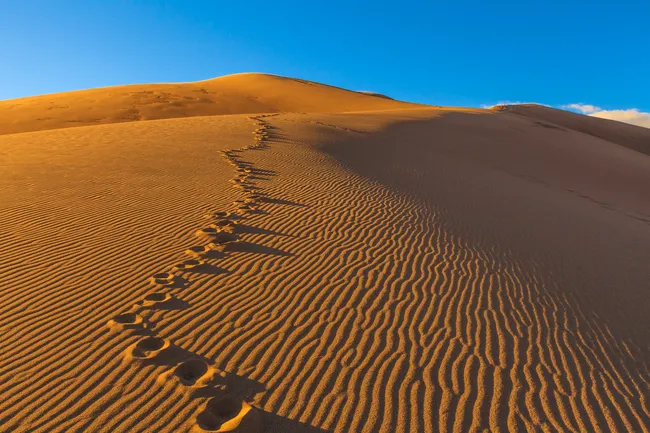
Great Sand Dunes National Park is full of surprises.
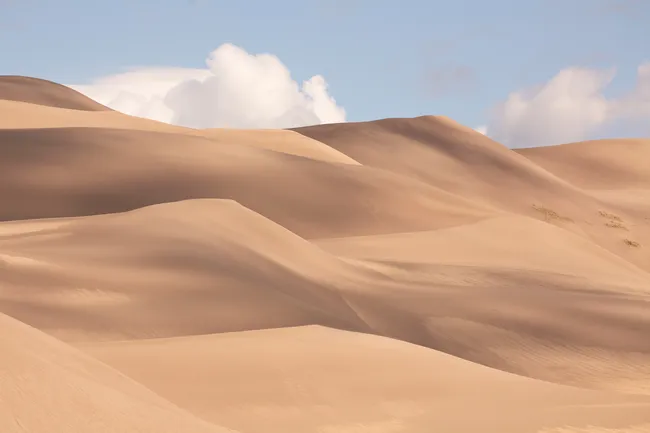
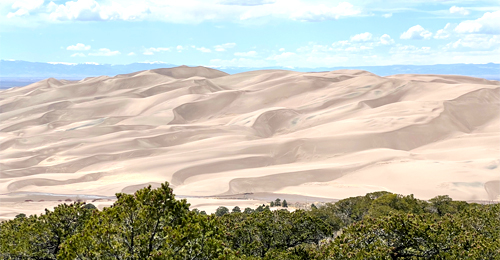
Towering dunes rise where you’d expect grasslands; a seasonal creek creates a beach in the middle of the desert, and in the right season you can even surf waves made of sand.
Before you lace up your hiking shoes—or grab a sandboard—here are a few helpful things to know before you go.
Start Planning!
You’re about to go on an epic adventure with the Great Sand Dunes National Park Tour! Here’s what you need to know before you go.
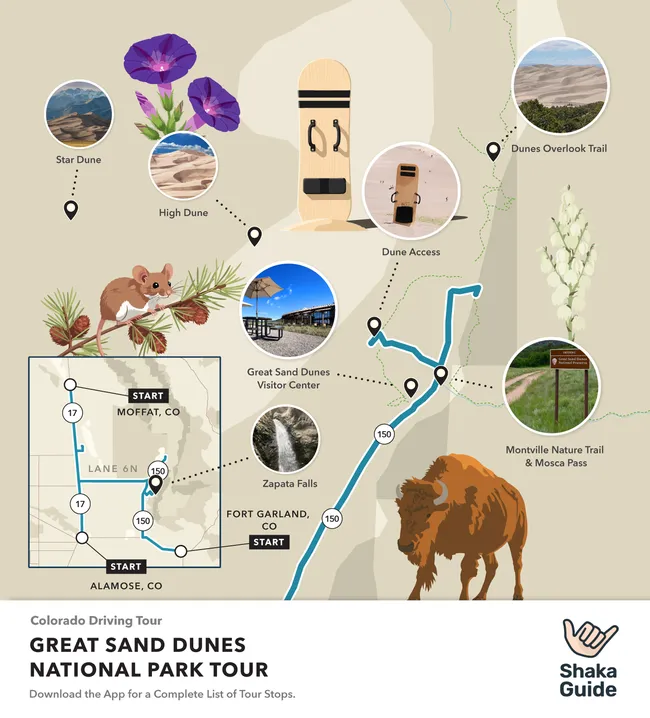
- The tour takes 4-6 hours with 14 stops and 81 audio narrations.
- Start the tour from Alamosa, Moffat, or Fort Garland—each just outside town.
- Sandboarding and sand sledding are top activities—rent gear locally before entering the park.
- Visit Zapata Falls, Dunes Overlook, and Montville Trail for scenic hikes beyond the dunes
- The best time to visit is late spring or early fall—cooler and less crowded.
- Medano Creek’s seasonal surge flow creates a beach-like experience in spring and early summer.
- Bring sunscreen, water, closed-toed shoes, and a sandboard or sled.
- No reservations needed—entry is open, with no permits or timed passes required.
- Avoid midday visits in summer—dune surface temperatures can reach dangerous levels.

Budgeting and Hours of Operation
 Shutterstock Image
Budget
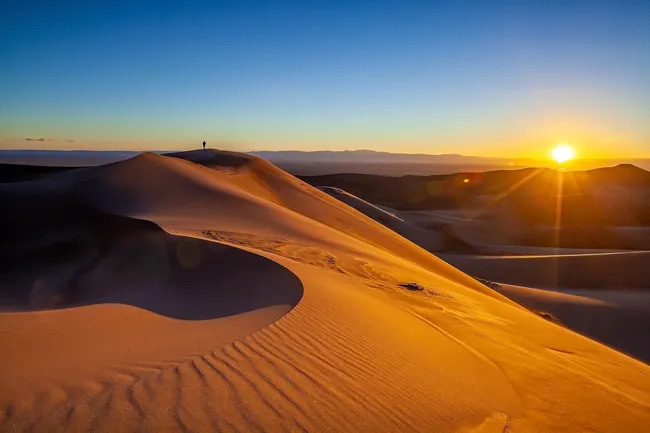
Great Sand Dunes is a super-affordable vacation spot, with reasonably priced hotels, restaurants, and gear rentals.
- UFO Watchtower: $5 per person
- Colorado Gator Reptile Park: $15 per person
- Fort Garland Museum: $7 per person
- San Luis Wildlife Area: $12 per vehicle
- Board Rental: $20-30 dollars a day
- National Park Pass, Annual: $80
- Weekly Park Pass (GSD only): $25 per vehicle
Optional expenses
Don’t have a 4WD vehicle but want to experience the Medano Pass Primitive Road? A few local outfitters can help. Dunes 4x4 and Kaiyote Tours, both near the park, offer guided Jeep trips on Medano Pass, while Pathfinders 4x4 in nearby Saguache rents Jeeps and provides off-road training. You may also find rentals in Alamosa, the closest full-service town about 35 minutes away.
Hours of Operation
The tour stops have seasonal hours of operation. The site’s facilities and restaurants also have varying hours of operation.
- Blanca Wetlands: seasonal openings, closed February through July
- UFO Watchtower: 10 AM to 4 PM, Saturday and Sunday only
- Colorado Gator Reptile Park:
- 9 AM - 5 PM Winter
- 9 AM - 7 PM Summer
- Fort Garland Museum:
- March 1 thru October 31, 9 AM to 5 PM
- November 1 thru February 28, 10 AM to 4 PM
- Great Sand Dunes Visitor Center: 9 AM to 4:30 PM
Get Packing!
 Shutterstock Image
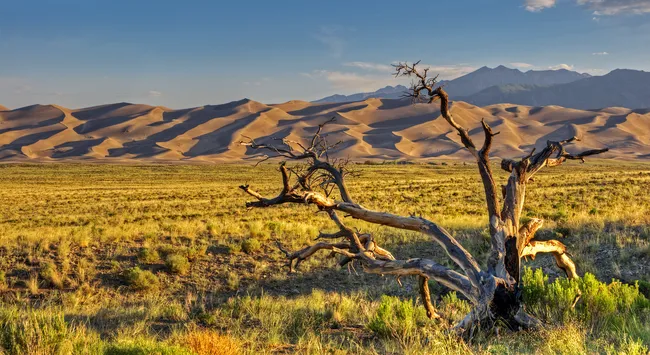
Here’s our packing list for this tour.
With such strong sun and hot sand, you'll definitely want to prioritize sun and foot protection. And please, don't underestimate that dry air! Bring way more water than you think you need!
- Sunscreen
- Bug spray
- Sunglasses/hat
- Closed-toed shoes
- Plenty of water
- Sandboard or sled
- Swimsuit (during surge flows)
- Red light or red light filter and flashlight
Best Time to Visit
 Shutterstock Image
Late spring and early summer feature the Medano surge flows—waves of meltwater rushing down from the Sangre de Cristo Mountains.
Midsummer is hot and sunny but can still be a nice time to visit if you do a little extra planning. Just hit the dunes first thing in the morning or late in the evening...before they get so hot. And remember, for every dune you go down, it's ten times as hard going back up.
Early fall can be really great...nice and cool and a little less crowded. Plus, the aspen leaves shake like little gold coins—absolutely gorgeous scenery for hikers.
Winter is a unique time to visit. Snow regularly dusts the dunes, but it rarely sticks around long. If conditions line up, you can even sled or snowboard down the slopes. Most days are cold, quiet, and surprisingly sunny. And with fewer people around, wildlife like elk and pronghorn are easier to spot out in the valley.
Safety Information
The sand dunes can get extremely hot during the summer, especially midday. Be sure to bring plenty of sunscreen, lots and lots of water, and protective shoes.
Writer's Tip: Bring shoes that you'll be comfortable walking on hot sand in. A lot of people will just bring flip-flops and deeply regret that decision. You can bring the flip-flops, but be sure to have closed-toe shoes, too.
Additional Need to Know Information
 Shutterstock Image
Sandboarding
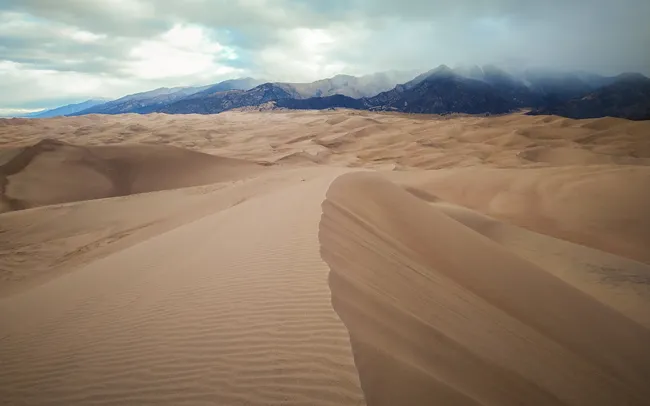
Carve your way down the golden slopes! Sandboarding and sand sledding are the must-do adventures at Great Sand Dunes National Park—just like snowboarding, but on sun-warmed sand.
Plan ahead to rent a board or sled from local outfitters and be ready to pay a small fee for the thrill of gliding down the tallest dunes in North America!
Medano Pass Primitive Road
Medano Pass Primitive Road is a rugged 22-mile backcountry route that runs between Great Sand Dunes National Park and Preserve and Colorado State Highway 69 in the Wet Mountain Valley. From there, the highway continues north to the town of Westcliffe.
The road is popular with four-wheel-drive enthusiasts looking for a remote mountain drive. Along the way, drivers encounter deep sand, rocky sections, and nine crossings of Medano Creek.
This is a very difficult road that requires technical driving and high-clearance vehicles.
Vehicle access:
-
AWD vehicles may be able to reach the “Point of No Return.”
-
Beyond that point, only high-clearance 4WD vehicles should (or are allowed to) continue.
Medano Beach
Wave after wave of golden sand. Add a little water, and it'd be the perfect beach, right?
What if I told you: If you're at Great Sand Dunes at the right time, there's actually quite a lot of water. Waves of it, rushing down over those hot golden sands.
Each spring, snowmelt from the Sangre de Cristo Mountains feeds Medano Creek. Water usually shows up in April, peaks in late May to early June, and often fades away by July.
Now, while the surges can be pretty regular, this is wading water, not swimming water.
Most of the time it’s just a few inches deep—perfect for splashing, cooling off, and building questionable sand engineering projects.
Stargazing Tips and Etiquette
Imagine it: You've got your blanket, your red-light flashlight, and a building excitement that can't be contained. You pick a spot, settle down, turn off your light, and wait for your eyes to adjust to the surrounding dark of night. Slowly, a few twinkling stars begin to fade into your view. Slowly, at first, but then more and more.
But then, a blinding light. Another stargazer stumbles right by you, shining their bright white headlamp right into your eyes. You wince and restart the waiting game. At least you're comfortable. It's gonna' take a while for your eyes to adjust...all over again.
It happens more often than you think. Don't be that guy...or gal.
- When you go stargazing, use only the light you need.
- Instead of white light, use red. It's easier for your eyes and safer and better for the nocturnal wildlife.
- Turn off your car's headlights as soon as you park. You're not trying to light up the entire dunefield.
- Try not to shine your light at other people or their cameras. Night photography is easily disrupted.
Leave No Trace
While exploring, we encourage you to abide by the leave-no-trace principles. Embrace the outdoors responsibly with our commitment to preserving natural wonders.
Respect wildlife habitats, minimize your footprint, and create memories, not waste. By following Leave No Trace principles, you contribute to the longevity and beauty of our planet's most stunning landscapes.

Take the Great Sand Dunes National Park Audio Tour with Shaka Guide and explore at your own pace with stories, directions, and must-see stops along the way.
Still planning? Check out our Great Sand Dunes Itinerary to prep for an epic day.
Need help? Email us anytime at aloha@shakaguide.com!
Like this article? Share it on Pinterest!

Rachel is a storyteller, nature nerd, and park enthusiast who believes every trail has a tale. When she first visited Yellowstone, she was captivated by the steaming geysers, thundering waterfalls, and wild, wide-open spaces.
Since then, she’s explored national parks across the country, learning the history, ecology, and culture that shape these wild places. Now, she’s on a mission to share the stories that live in the land—and the places that make us feel small in the best way.
Written By:





 to fuel your ride
