



The Ultimate 2-Day Yellowstone National Park Itinerary (No Grand Teton)

- Start early both days to avoid parking issues, crowds, and maximize wildlife viewing opportunities across the park.
- Focus on Yellowstone’s main loops to minimize backtracking and efficiently cover major highlights in just two days.
- Stay in Gardiner and West Yellowstone to reduce drive time and position yourself closer to each day’s route.
- Plan for long driving distances, as travel times between major stops are longer than they appear on maps.
- Always check road conditions, closures, and weather daily since Yellowstone conditions can change quickly.
TABLE OF CONTENTS
- Day 1: Northern Loop Highlights
- Day 2: Southern Loop Highlights
- Plan Your Yellowstone Trip
- Where to Stay in Yellowstone
- Essential Travel Tips for Yellowstone
- Optional Add-Ons for Extra Time
“Yellowstone in one single weekend? Don’t talk madness!” …is what you might think I’d say. And, sure, you can’t possibly see all that Yellowstone has to offer in just two days. After all, this park is huge.
But that doesn’t mean you can’t hit those big highlights, get a feel for what’s out there, and fall head over heels with this magical, wild world…all in just two short days.
This 2-day Yellowstone itinerary works best if you enter the park from West Yellowstone or Gardiner, allowing you to efficiently loop through the park without too much backtracking. This is a great way for first-time visitors to see the park when they’re short on time.
Day 1: Northern Loop Highlights
1. Heading down the North Entrance
Approximate Time: 30 minutes-1 hour
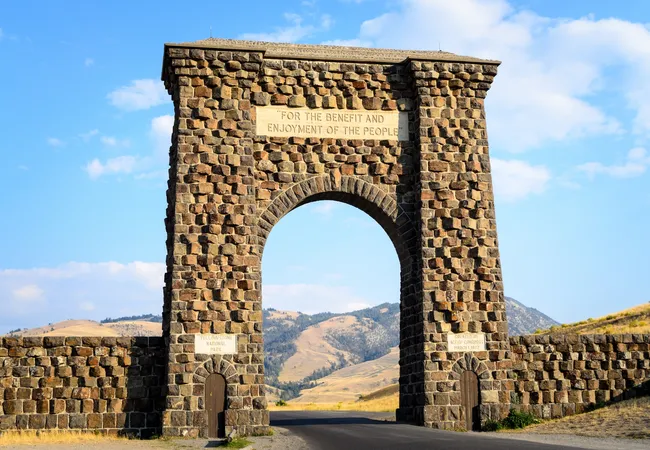 Roosevelt Arch/ Shutterstock Image
This day I recommend you start the adventure from Gardiner, as it’s the closest to the majority of the Northern Loop highlights. There’s so much to do in town, like soaking in hot springs, browsing historical museums, or booking rafting or biking tours.
However, with just two short days, you might need to save that stuff for your next trip. I do recommend, however, swinging by the famous Roosevelt Arch—the iconic stone gateway marking Yellowstone’s original north entrance.
2. Start at Mammoth Hot Springs Terraces
 Shutterstock Image
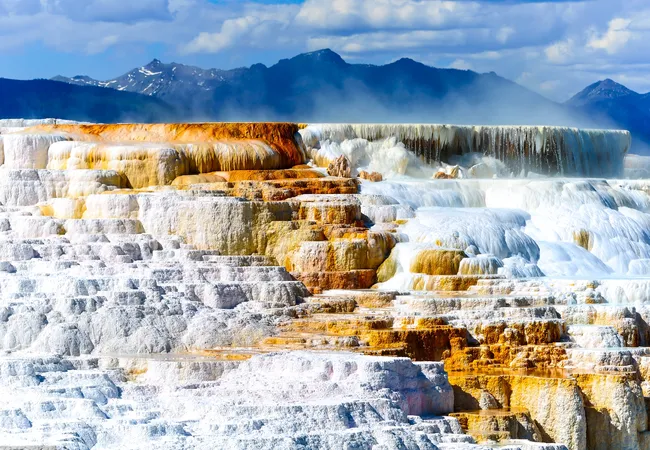
Your Yellowstone adventure really kicks off at Mammoth Hot Springs, a dramatic landscape of steaming travertine terraces shaped by limestone-rich thermal waters.
Boardwalks and short walks lead past constantly changing formations like Minerva Terrace and Palette Spring.
This area feels different from the rest of the park, almost otherworldly, and is a great introduction to Yellowstone’s geothermal power.
Head in early for fewer crowds and less shuffling around the boardwalk. When you’re done, swing in to check out the museum and have a picnic lunch on the grounds, a favorite stomping ground for elk.
3. Scenic Drive Through Swan Lake Flats
 Yellowstone National Park NPS
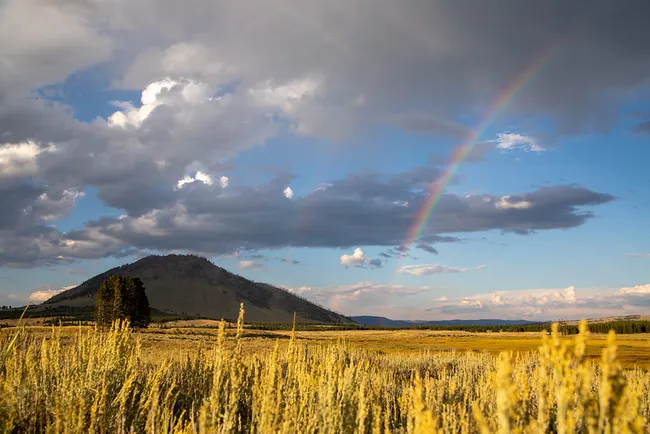
Continue south through Swan Lake Flats, a broad, open valley known for sweeping views and frequent wildlife sightings. Bison, elk, and pronghorn are commonly seen grazing near the road, especially in the morning.
Pullouts along the drive make it easy to stop for photos and binocular viewing. It’s sort of the calm before the storm, a bit of peace in nature before hitting Yellowstone’s busy geyser basins.
4. Stop at Norris Geyser Basin
 Shutterstock Image
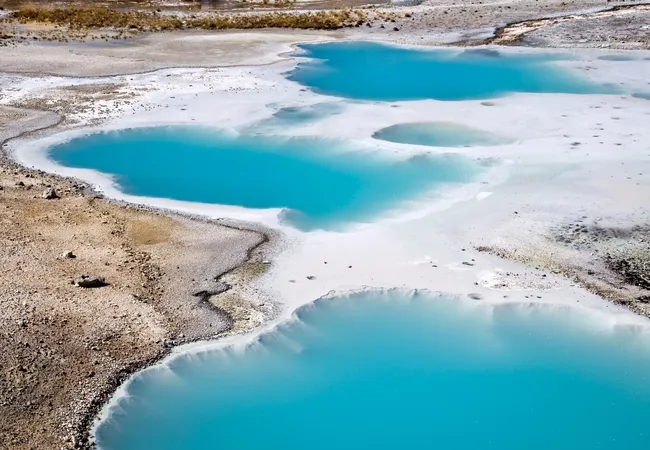
Continue south to Norris Geyser Basin, Yellowstone’s hottest, largest, and most dynamic geothermal area.
Boardwalks wind through two distinct sections—Porcelain Basin and Back Basin—featuring steaming vents, colorful acidic pools, and towering Steamboat Geyser, the world’s tallest active geyser.
Eruptions are unpredictable, but even without one, Norris’s raw geothermal power is sure to leave you in awe. Plan at least 45 minutes to explore.
5. Norris Canyon
After Norris, cut across Norris Canyon Road, a scenic connector that winds along the Gibbon River and helps you avoid backtracking.
If time allows, take a short detour to Virginia Cascades, a lovely multi-tiered waterfall easily viewed from the road or via a brief walk—an often-missed stop that’s well worth it when crowds are lighter.
6. Grand Canyon of the Yellowstone & Waterfall Viewpoints
 Shutterstock Image
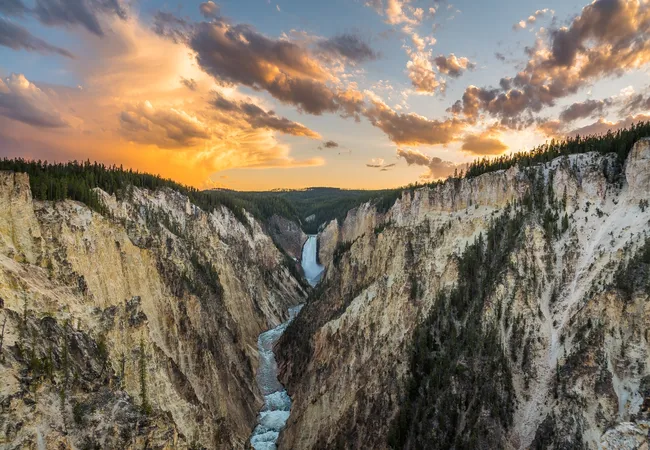
Next, explore the Grand Canyon of the Yellowstone, home to the iconic Upper and Lower Falls. Stop at key viewpoints like Artist Point, Lookout Point, and Brink of the Lower Falls for dramatic views of the 308-foot waterfall plunging into a colorful canyon.
The mineral-stained canyon walls glow yellow, orange, and red in the sunlight. Short walks connect many overlooks, making it easy to see multiple perspectives without long hikes.
7. Head to Your Lodgings in West Yellowstone
To save time, we’ll switch lodgings from Gardiner to West Yellowstone. If you’d rather do this itinerary in reverse order, that’s totally fine. Just switch the days around.
West Yellowstone has lots of interesting things to see and do, like the Grizzly and Wolf Discovery Center. If you have some spare time, consider checking out the town’s attractions. Just don’t stay out too late…you’ll have an early morning tomorrow!

Day 2: Southern Loop Highlights
1. Start from West Yellowstone
The drive from West Yellowstone into the heart of the park is stunning, especially in the early morning or afternoon. If you can, make time to stop at the many pullouts by the Madison River.
2. Grand Prismatic Spring & Overlook Trail
 Shutterstock Image
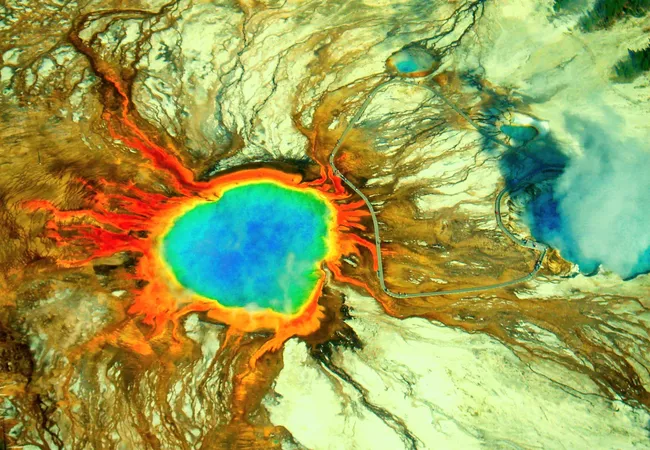
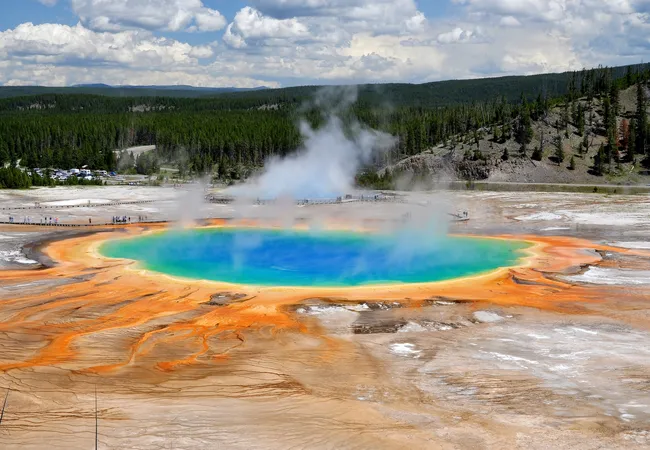
Start Day 2 at Grand Prismatic Spring, Yellowstone’s largest and most colorful hot spring.
Walk the Midway Geyser Basin boardwalk for close-up views, then, if you have the time, hike the short Fairy Falls Overlook Trail for a stunning aerial perspective of the vivid rainbow colors.
This short, moderate hike is highly recommended and only takes about an hour or two.
If you only have time for one hike while in Yellowstone, make it this one! Visiting early helps avoid crowds, which you’ll definitely want to do…both for the photos and for the parking spaces!
3. Midway & Lower Geyser Basins
 Shutterstock Image
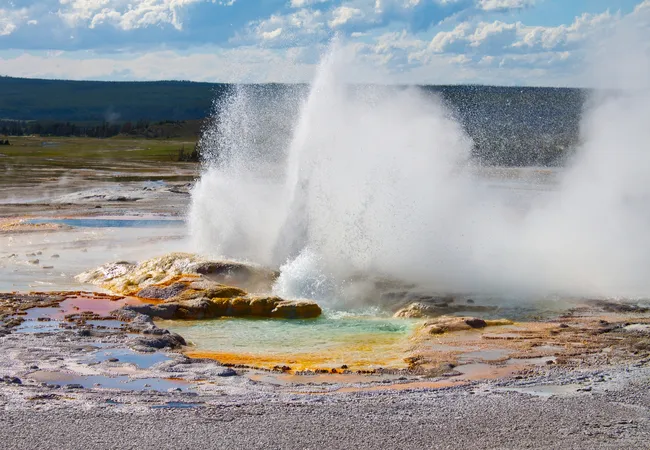
Now, you’ll explore the surrounding Midway and Lower Geyser Basins, home to a dense collection of hot springs, fumaroles, and geysers.
The Lower Geyser Basin is especially vast, featuring attractions like Fountain Paint Pot and Firehole Lake Drive.
Boardwalks and short trails make it easy to explore without committing to long hikes. Plan time to stop often—there’s amazing hydrothermal features around every bend.
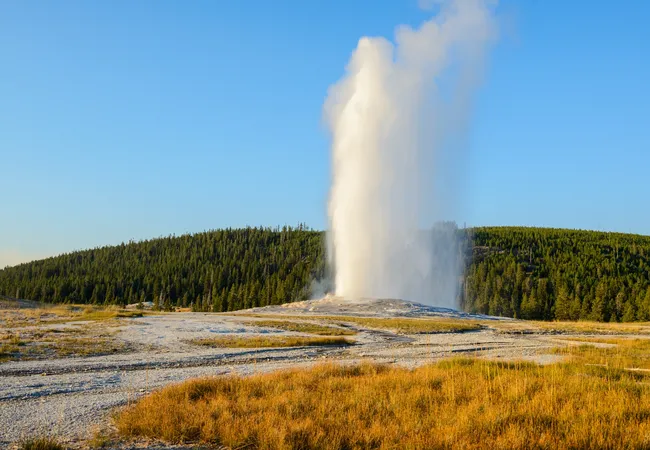
4. Explore Upper Geyser Basin & Old Faithful
 Shutterstock Image
Continue to Upper Geyser Basin, the most active geyser area in the world. Walk the boardwalks past famous features like:
- Castle Geyser
- Grand Geyser
- Morning Glory Pool
Time your visit around an Old Faithful eruption, which occurs roughly every 60–110 minutes. The visitor center posts predicted eruption times, helping you plan your walk while waiting for the iconic geyser to erupt.
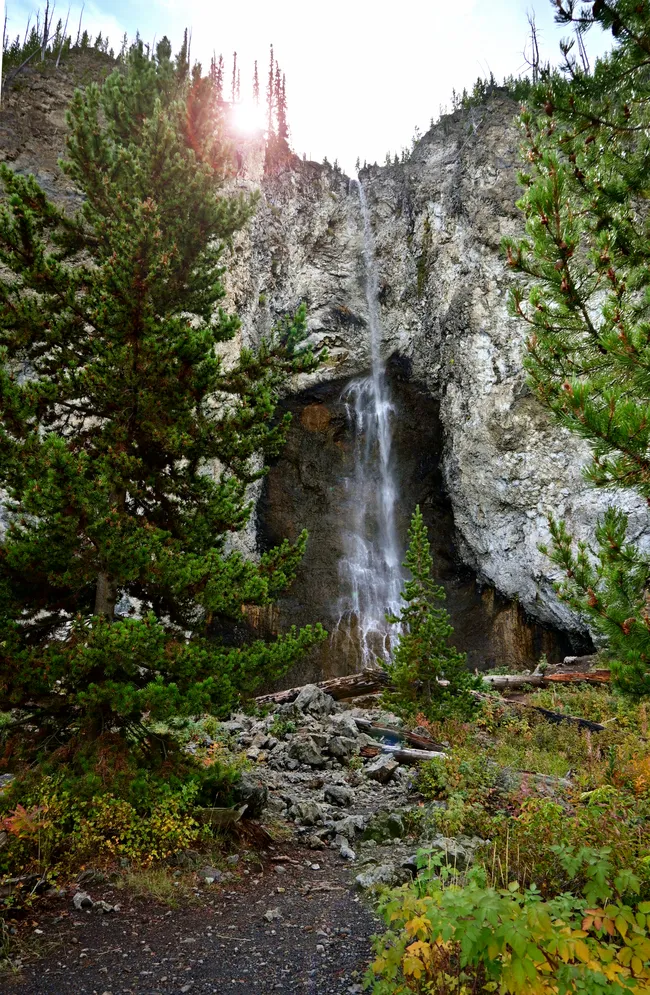
5. Optional Hike to Fairy Falls
 Rachel Ennis
If you have extra energy, hike to Fairy Falls, a relatively flat and family-friendly trail leading to a beautiful 200-foot waterfall.
The round-trip hike is about five miles, but you can shorten it by turning around after the Grand Prismatic overlook.
This hike offers a quieter break from boardwalk crowds and a chance to experience Yellowstone’s forests and waterfalls up close.
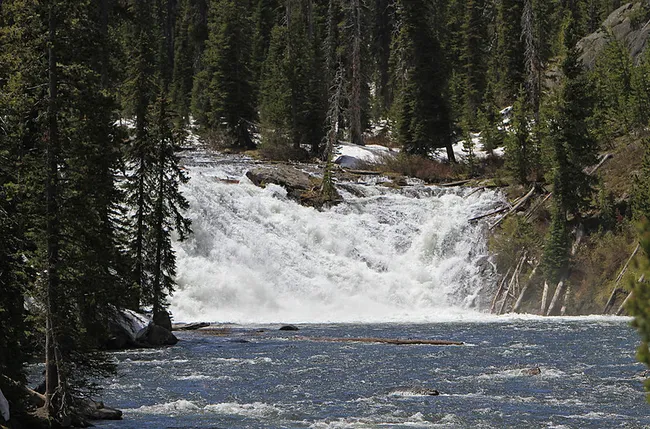
6. Cruise to Lewis Falls & Scenic Stops
 Yellowstone National Park NPS
End your trip with a stop at Lewis Falls, an easily accessible waterfall just south of Yellowstone Lake. A short walk leads to a viewing platform overlooking the rushing cascade.
If time allows, enjoy additional scenic pullouts along the Lewis River or stop for final photos before exiting the park. It’s a calm, scenic way to wrap up two full days of exploration.
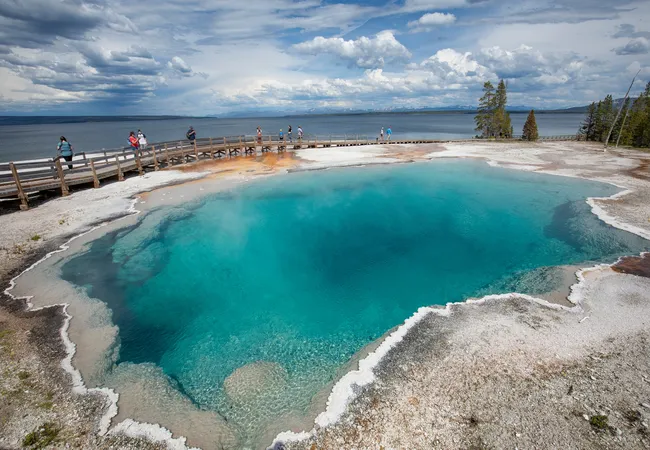
7. Stop at West Thumb Geyser Basin & Yellowstone Lake
 Shutterstock Image
Our final stops are at West Thumb Geyser Basin, where colorful hot springs and geysers sit right along the shore of Yellowstone Lake.
Boardwalks loop past features like Abyss Pool and Fishing Cone, with sweeping views across the lake toward distant mountains. The combination of geothermal features and open water makes this area especially scenic at sunset.
Consider grabbing dinner at a nearby lodge or enjoying a packed picnic before heading to your overnight stay.
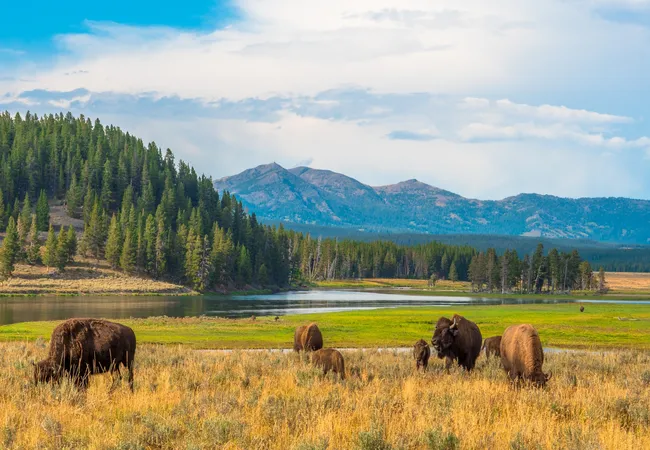
8. Finish With a Wildlife Drive through Hayden Valley
 Shutterstock Image
In the afternoon, wrap the day with a drive through Hayden Valley, one of Yellowstone’s premier wildlife-watching areas.
This wide, grassy valley along the Yellowstone River is prime habitat for:
- bison
- elk
- grizzly bears
- coyotes
- occasionally wolves
Wildlife is most active in the early morning and late afternoon, but sightings happen throughout the day.
Use pullouts, stay patient, and keep a safe distance while enjoying one of the park’s most scenic drives.
9. Head back to West Yellowstone, or on to a New Adventure
Time for a rest before heading home? Or is the adventure just beginning? If you have an extra day, consider adding in a quick trip to the nearby Grand Tetons.

Plan Your Yellowstone Trip
Why Visit Yellowstone National Park?
I mean…why not? Yellowstone is the world’s first national park and one of the most geologically unique places on Earth. It’s famous for geysers, hot springs, waterfalls, wildlife, and vast open landscapes.
There, you can see bison roaming freely, colorful geothermal pools steaming beside lakes, and dramatic canyons carved by rivers.
Few places offer such a diverse mix of natural wonders in one destination, making Yellowstone a must-visit for nature lovers.
How Many Days Do You Need in Yellowstone?
Two days are enough to see Yellowstone’s highlights, especially if you only focus on the main loops. However, the park is massive, and three to five days allows for a slower pace, more wildlife viewing, and a few hikes.
7 days gives you a more relaxed pace, with chances to sit and wait for wildlife or take on some longer hikes.
If you only have a weekend, a well-planned two-day Yellowstone itinerary lets you experience geysers, waterfalls, and valleys without feeling rushed.
Best Time to Visit Yellowstone National Park
 Shutterstock Image
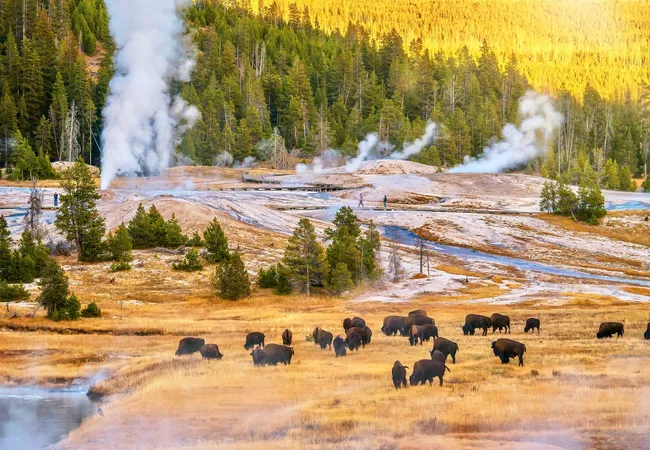
The best time to visit Yellowstone National Park is late spring through early fall, when most roads and facilities are open.
Summer offers the warmest weather and full access, but also the largest crowds.
Late May, June, September, and early October provide fewer visitors and excellent wildlife viewing.
Winter visits are possible with snow coaches or snowmobiles and offer a completely different, quieter experience, although the traditional driving route will be closed.
How to Get to Yellowstone (Airports, Driving Routes & Entrances)
Yellowstone National Park is best explored by car. The closest airports are in:
- West Yellowstone
- Bozeman
- Jackson
- Cody
The park has five main entrances, with West Yellowstone and Gardiner being the most popular for first-time visitors.
Driving gives you the flexibility to follow scenic routes, stop for wildlife, and explore geothermal areas at your own pace.
Yellowstone National Park Entrance Fees & Passes
Yellowstone requires an entrance fee of $35 per private vehicle, valid for seven consecutive days. If you plan to visit Grand Teton National Park as well, consider the America the Beautiful National Parks Pass, which covers entrance fees for all U.S. national parks for one year. Buying your pass in advance can save time at park entrances.
Where to Stay in Yellowstone
 Yellowstone National Park NPS`
Lodging Inside Yellowstone National Park
Staying inside Yellowstone saves driving time and allows for early-morning and late-evening wildlife viewing.
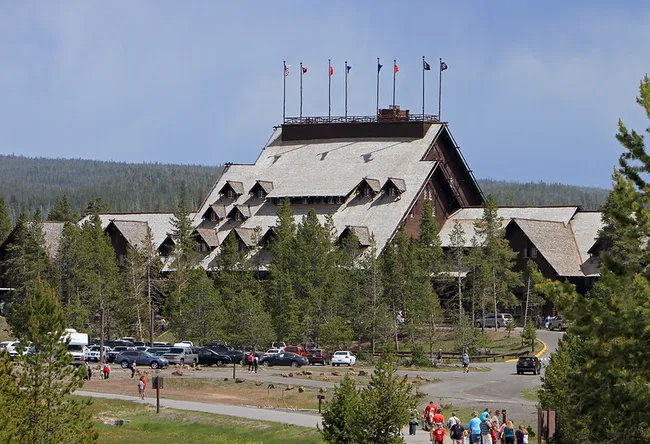
Options range from historic lodges like Old Faithful Inn to more modern hotels near Canyon and Lake Village.
Lodging fills up months in advance, especially in summer, so booking early is essential.
Best Places to Stay Outside the Park
West Yellowstone is one of the most popular gateway towns, with hotels, cabins, and vacation rentals. It’s close to the park’s west entrance and convenient for visiting geyser basins like Old Faithful and Grand Prismatic.
The town also has restaurants, grocery stores, and tour operators, making it a very practical option for a weekend visit.
The other most popular entrance town is Gardiner. Like West Yellowstone, it has lots of options for places to stay, things to see, and places to eat.
Other popular gateway towns include Cody, Wyoming, near the east entrance, and Jackson, Wyoming, near the south entrance.
Cody is known for its Western history and museums, while Jackson pairs well with a Grand Teton visit. These towns require more driving, but each of the entrances has its own scenic drives and unique stops.
If you travel with Shaka Guide, each entrance and exit also comes with its own unique stories.
Essential Travel Tips for Yellowstone
1. Avoiding Crowds & Parking Hassles
 Shutterstock Image
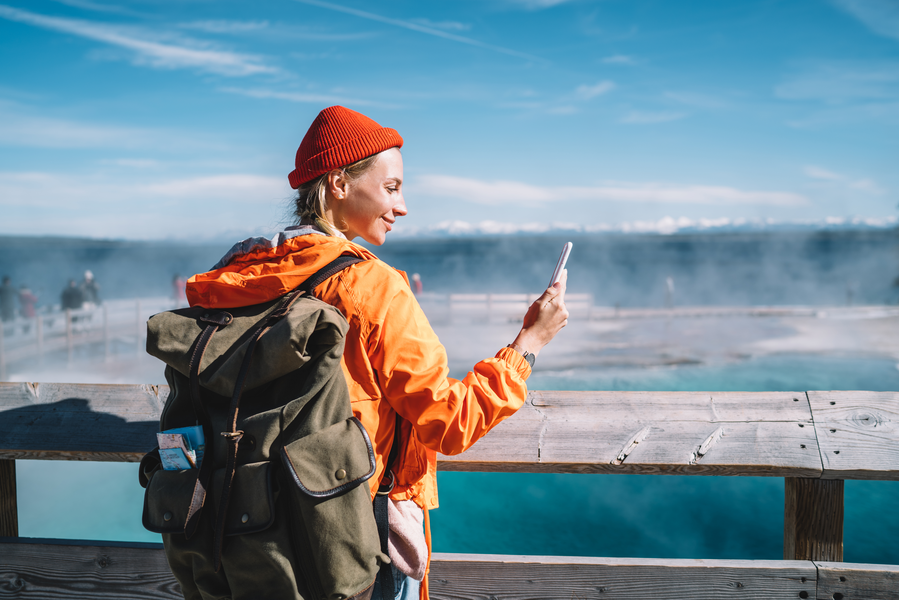
To avoid crowds, start your days early and visit popular spots before mid-morning. Sunrise and evening hours are quieter and offer better wildlife viewing. Use pullouts instead of stopping in the road, and be patient in busy areas like Old Faithful. Planning your route in advance helps reduce backtracking and saves time.
2. Wildlife Safety & Viewing Etiquette
 Shutterstock Image
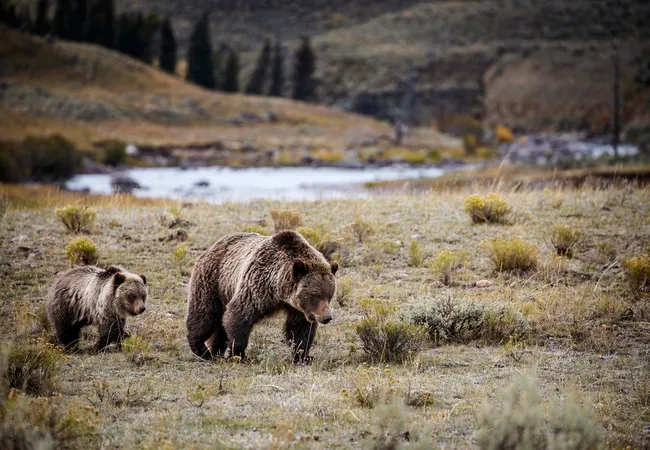
Always keep a safe distance from wildlife—at least 100 yards from bears and wolves and 25 yards from other animals. Never approach or feed animals, and use binoculars or zoom lenses for close-up views. Wildlife jams are common, so remain patient and follow ranger instructions to keep visitors, animals (and your car) safe!
3. Packing List for a Yellowstone 2-Day Trip
Pack layers for changing weather, including a warm jacket, rain gear, and sturdy walking shoes. Snow, rain, and sunshine can all happen in one day—even in summer.
Bring sunscreen, a hat, water bottles, snacks or picnic meals, and binoculars. A portable charger helps keep your phone ready for photos and navigation.
And, of course, keep your phone on hand…downloading your Shaka Guide tour ahead of time means you’ll always have a map and directions handy.
4. Park Road Closures & Seasonal Tips
 Shutterstock Image
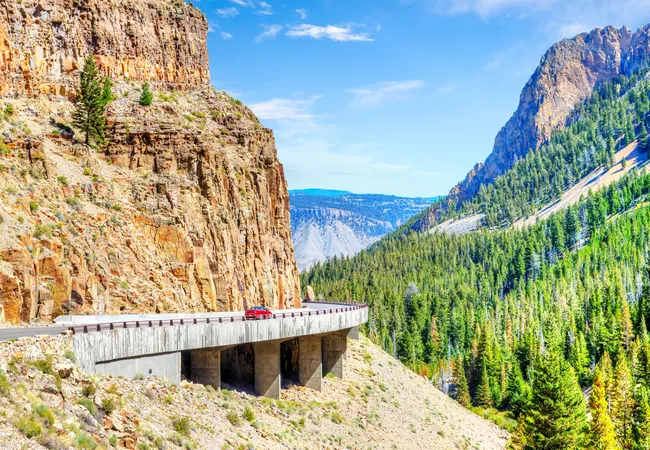
Yellowstone roads are highly seasonal, with many closing in winter due to snow. Even in summer, temporary closures can occur due to construction or wildlife activity.
Really, at any given time, you can expect at least some section of the park to be closed.
Check the park’s official road status before each day. Weather can change quickly, so be prepared for cold mornings and afternoon storms.
Optional Add-Ons for Extra Time
1. Lamar Valley Wildlife Viewing
 Shutterstock Image
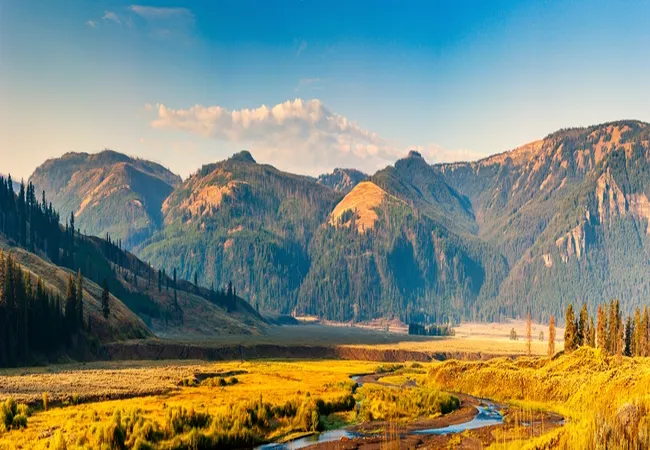
If you have extra time, add Lamar Valley to your Northern Loop itinerary. Known as the “Serengeti of North America,” it’s one of the best places in the park to spot wolves, bears, and large bison herds. Early morning and evening are best, and the wide-open landscape makes wildlife easier to spot from the road.
2. Short Hikes or Viewpoints You Can Add
Consider short hikes like Uncle Tom’s Trail (when open), Mystic Falls, or additional viewpoints in the Grand Canyon of the Yellowstone. These quick walks add variety and help you experience Yellowstone beyond the boardwalks without committing to long backcountry hikes.
Plus, with such packed days covering such great distances, you’ll be glad to hop out of the car and stretch those legs.
3. Extend to Grand Teton National Park
 Shutterstock Image
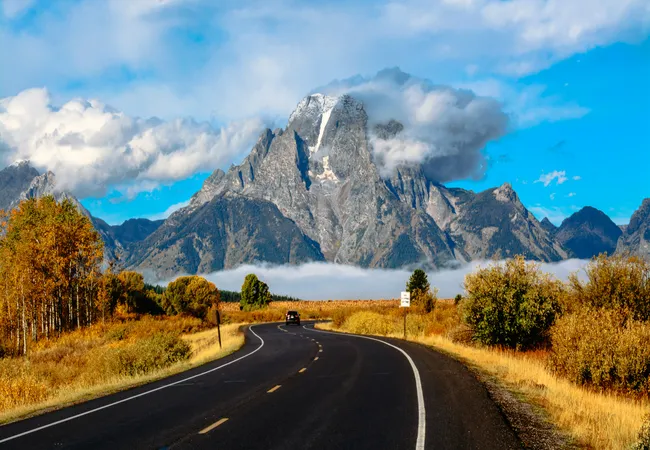
If you can add a day, extend your trip south to Grand Teton National Park. Just an hour from Yellowstone, it offers dramatic mountain views, alpine lakes, and scenic drives.
Many visitors pair the two parks for a well-rounded Wyoming adventure. And best of all? Shaka Guide has a tour for that park, too!
Explore Yellowstone with Shaka Guide
Want a stress-free way to explore Yellowstone? Shaka Guide’s Yellowstone audio tour acts like a personal guide in your car, sharing stories, directions, and tips as you drive. The tour works offline and helps you see top sights without constantly checking maps, making it perfect for a packed two-day itinerary.

Rachel is a storyteller, nature nerd, and park enthusiast who believes every trail has a tale. When she first visited Yellowstone, she was captivated by the steaming geysers, thundering waterfalls, and wild, wide-open spaces.
Since then, she’s explored national parks across the country, learning the history, ecology, and culture that shape these wild places. Now, she’s on a mission to share the stories that live in the land—and the places that make us feel small in the best way.
Ready to explore Yellowstone?
Take Shaka Guide’s Yellowstone National Park Audio Tour for turn-by-turn directions, local stories, and the freedom to explore at your own pace.
Visiting more parks in the region?
Don’t miss our Ultimate National Park Collection — it includes tours for Yosemite, Death Valley, White Sands, and many more!
Still planning?
Check out our Yellowstone Itinerary and Know Before You Go guide to prep for your trip.
Have questions?
We’re happy to help — email us at aloha@shakaguide.com.
Like this article? Share it on Pinterest!
RELATED ARTICLES:
7-Day Yellowstone National Park Itinerary
4-Day Yellowstone National Park Itinerary
3-Day Yellowstone National Park Itinerary
Yellowstone National Park: Know Before You Go
Best Hikes at Yellowstone National Park
Yellowstone vs Grand Teton — Which Park is Right for You?
Yellowstone and Grand Teton Two-Days Itinerary
Things to Do At Yellowstone National Park
Best Waterfalls in Yellowstone National Park
Best Geysers You'll See in Yellowstone
What state is Yellowstone National Park in?
Yosemite vs Yellowstone: Which National Park to Visit?
Which Airport Should You Fly Into for Yellowstone?
Driving from Mount Rushmore to Yellowstone
Yellowstone Entry Requirements
How to Stay Safe Around Yellowstone’s Wildlife
Yellowstone National Park Apps
Yellowstone National Park in May
Written By:








 to fuel your ride
