



Shadows on the Brick Streets: German Village During the World Wars

Table of Contents:
[Transcript]
The Sounds of a World That Once Was
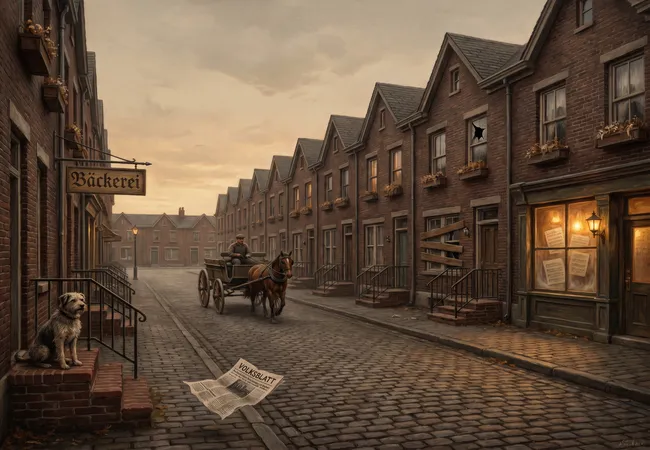
Sometimes, when I'm in German Village, I feel that if I listen closely, I can almost hear the echoes of the old world. The rhythmic clatter of horse-drawn wagons on brick streets. The hum of neighbors speaking German and English drifting from open windows.
And in the evenings, piano or fiddle music spilling out of a tavern, blending with the hiss of coal stoves and the barking of a dog guarding its stoop. But there was a time when all of that beautiful noise went quiet.
When Being German Became a Threat
During World War I, German Village faced one of its hardest chapters.
Not from bombs or battles, but from backlash. Across the U.S., anti-German sentiment exploded. German-Americans were suddenly seen as potential threats.
In cities like Columbus, schools banned the teaching of German. German street names were changed. German newspapers were shut down.
German books were pulled from library shelves and, in some cases, even publicly burned. In German Village, the effects were deep. Some families anglicized their last names.
Social clubs quietly dissolved. Traditions were hidden away. Or abandoned altogether.
Eddie Rickenbacker: Hero in a Hostile Hometown
But even in those years of suspicion, one young man from Columbus was making history. Have you ever heard the name Eddie Rickenbacker? He was born in 1890 to Swiss-German immigrant parents on the north side of German Village. When the United States entered World War I, Eddie joined the army and became a fighter pilot.
Before long, he became America's top flying ace, with 26 confirmed victories in the skies over Europe. Newspapers called him the Ace of Aces. And he returned home a national hero.
But still, Eddie's service to his country did little to end the anti-German sentiment in America, let alone his hometown of Columbus. And it didn't end with World War I.
A Second War, the Same Suspicion
During World War II, those same suspicions returned. Imagine what that must have felt like.
To have built a community from the ground up. To have helped pave streets and raise schools and shape a city. Only to be seen as suspect when war broke out overseas.
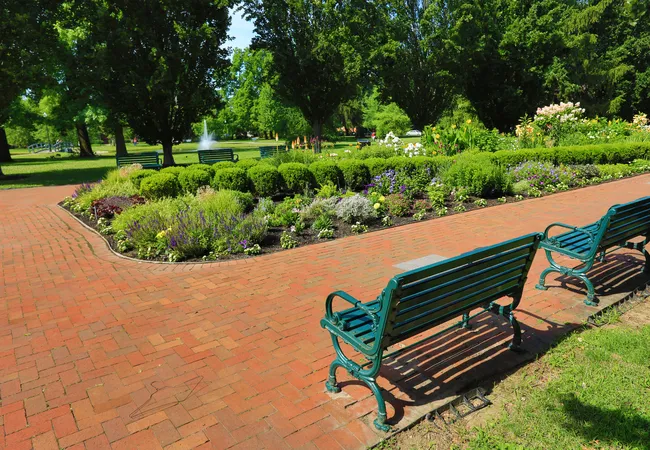
Even Schiller Park lost its name for a time. In 1918, it was renamed Washington Park. But thankfully, by 1930, citizens petitioned the government to change its name back to Schiller Park.
Still, the damage was done. And for years, much of German Village's history was erased.
The Slow Erasure of a Neighborhood
Over the next few decades, German Village was on a steep decline.
Prohibition put the breweries and their workers out of business. Suburbanization pulled middle-class families away from the city center. Empty buildings fell into disrepair.
And parts of the neighborhood were demolished to make way for highways and commercial properties. The quaint German Village that had stood for a hundred years was on the precipice of destruction.







 to fuel your ride
